
Corporate Adventure Activities That Build Teams

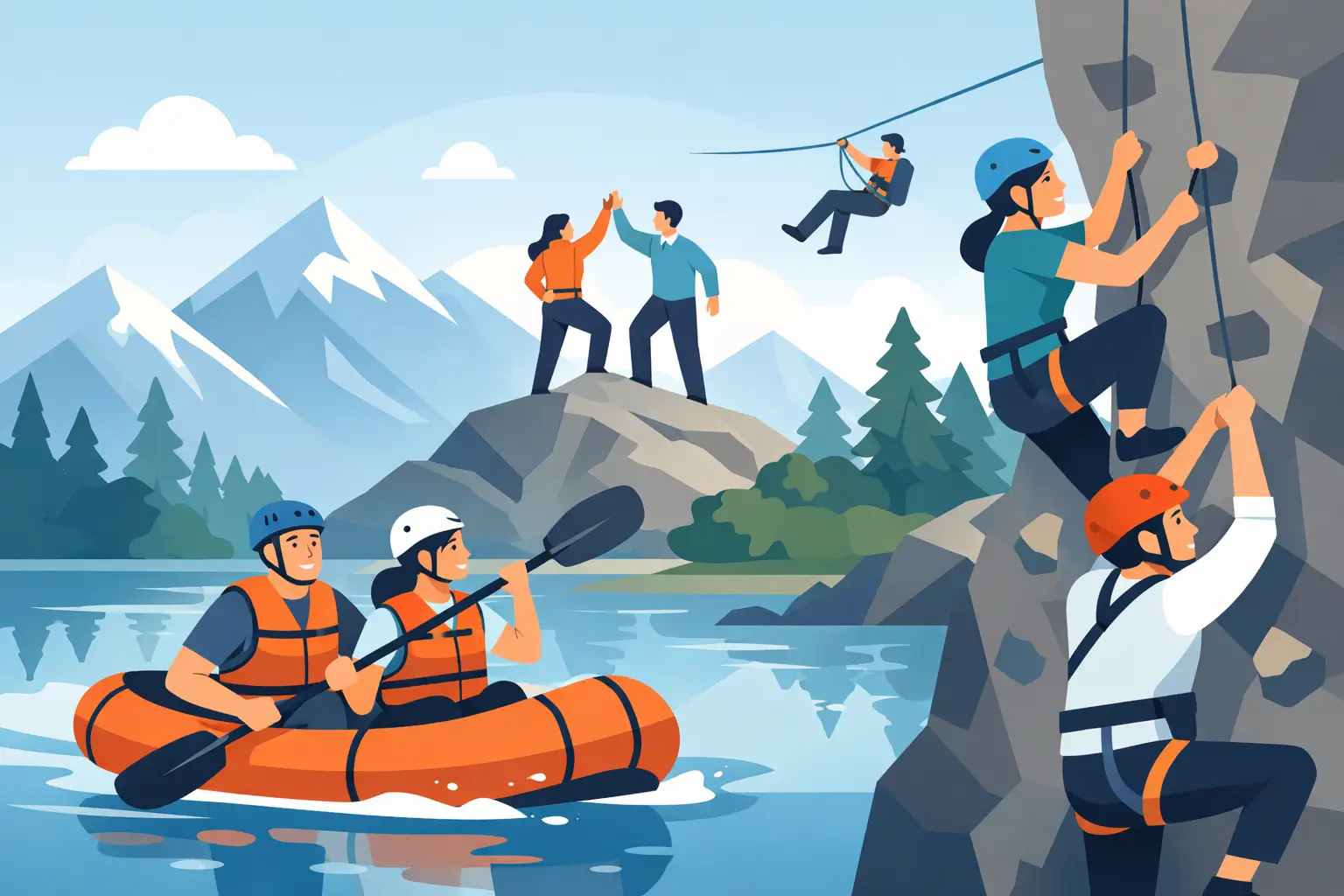
A team can sit through another strategy session, collect a branded notebook and return to the office unchanged. Or it can step into the rainforest, clip into a rope, navigate a gorge and watch colleagues rise to a challenge they did not think they could handle. That is what corporate adventure activities are for: creating a proper shared story, not just filling a date in the social calendar.
For teams in Auckland, the best days balance real excitement with clear guidance. You want the buzz of a waterfall abseil or a hard-earned checkpoint, but you also need an experience where complete beginners can take part confidently. A well-run adventure day brings both.
Why corporate adventure activities work
The strongest team days give people a chance to contribute in a different way. The quiet analyst may be brilliant at route choices. The new starter might be first to encourage someone over a tricky obstacle. A manager who is usually the one giving instructions gets to practise listening.
That shift matters because outdoor challenges make collaboration visible. You cannot bluff your way down an abseil, navigate a rogaine course or move a group through uneven terrain by relying on office hierarchy. People need to communicate clearly, notice what others need and keep moving when the weather, terrain or plan becomes less tidy than expected.
There is also a simple human benefit: shared adrenaline is memorable. A team that has laughed in the rain, cheered at the bottom of a waterfall and swapped stories on the ride home has made a far stronger connection than one that has spent an afternoon comparing scorecards at ten-pin bowling.
This does not mean every event needs to be extreme. The right level depends on your group, its fitness, confidence and the purpose of the day. A smaller, supportive challenge often delivers more than choosing the biggest possible activity and leaving half the team on the sidelines.
Choose an adventure that suits the team
Start with the outcome you want. If your priority is a huge shared confidence boost, guided canyoning is hard to beat. Participants learn the basics, put on the gear and work through a spectacular sequence of abseils, jumps, waterfalls and narrow rainforest gorges. Every obstacle feels personal, but nobody takes it on alone.
For a group that enjoys strategy as much as action, an adventure race or rogaine adds a different kind of pressure. Teams navigate between checkpoints, decide how to use their time and keep each other focused. It is active, competitive and great for uncovering practical leadership without forcing anyone into a corporate role-play exercise.
A combined day can work especially well for larger groups. One section might focus on canyon skills and overcoming individual nerves; another can send small teams out to solve navigation challenges. This gives people more than one way to shine.
Canyoning for a genuine shared challenge
Canyoning is not a passive scenic walk with a few photos at the end. It gets teams into the action. They may be lowering over rock faces, splashing through pools, moving through caves and following water through wild subtropical bush.
That is precisely why guided delivery matters. No prior canyoning experience should be required, but participants need expert instruction, properly fitted equipment and guides who know the terrain. The briefing should be practical and reassuring: here is how the harness works, here is how to abseil, here is where to put your feet, and here is how the group will look after one another.
For nervous participants, confidence usually builds one move at a time. The first descent may feel daunting. By the third, people are coaching each other and asking what comes next. That visible progress is one of the best reasons to choose canyoning for a corporate group.
Adventure racing and rogaines for smart competition
Navigation-based challenges are ideal when you want teams to make decisions together. A rogaine is not simply about being the fastest runners. It rewards route planning, communication, observation and knowing when to change course.
Keep the competition friendly. A points format, rather than a winner-takes-all race, lets groups choose routes that match their energy and ability. Include checkpoints with different levels of difficulty so a mixed team can stay involved without feeling held back or pushed beyond reason.
The best post-event conversations often start here. Why did one group choose the long route? Who spotted the clue everyone else missed? What happened when the plan failed? Those moments make the learning feel earned rather than scripted.
Plan the day around people, not just the activity
A brilliant outdoor experience can lose momentum if the logistics are vague. Give people enough information to arrive prepared, then let the guides handle the technical detail. Clear planning removes the common barriers that stop employees saying yes: lack of gear, uncertainty about fitness and concern about looking foolish in front of colleagues.
Before booking, get honest answers on group size, age range, swimming confidence, injuries, accessibility needs and general activity levels. This is not about excluding people. It helps the organiser and adventure provider select a format that gives everyone a fair shot at enjoying the day.
There are four details worth sorting early:
- The challenge level: Decide whether the group is ready for a full-day mission or would get more from a shorter introductory experience.
- Travel and timing: Outdoor days run better when transport, meeting points and return times are confirmed well before the event.
- What is provided: Technical equipment, safety training and specialist clothing should be clear, along with what participants need to bring themselves.
- The team mix: Build groups that encourage people to meet beyond their usual department or friendship circle, while avoiding combinations that leave anyone isolated.
In the Waitākere Ranges, a rainforest canyoning day offers the rare advantage of feeling far from the city without demanding a full weekend away. For visiting colleagues or incentive groups, that makes the experience especially useful: big scenery, proper adventure and an achievable schedule.
Make safety part of the confidence, not an afterthought
Adventure should feel exciting because the environment is real, not because the operation is disorganised. The right provider makes risk management visible in the useful ways. Guides explain what will happen before participants need to do it. Equipment is checked. Group sizes are managed. Conditions are assessed, and plans change if they need to.
That structure gives people permission to stretch themselves. There is a big difference between being pushed and being supported to try something new. Corporate groups should look for qualified guides who can read a room as well as read the weather, offering encouragement without turning every hesitation into a performance.
It is also worth setting expectations with your team before the day. Let them know that challenge is part of the deal, but that they will be trained and supported. Avoid promising that everyone will be fearless. A better message is that everyone can show up, have a go and back their teammates.
Build in time for the story afterwards
Do not rush straight from the final checkpoint or canyon exit into emails. Leave space to change, eat, share the best photos and let the group replay the day. The funniest moments and biggest breakthroughs often surface once everyone is warm and dry.
A short debrief can help, provided it stays natural. Ask what surprised people, where the team communicated well and what they would do differently next time. Keep it grounded in the experience rather than turning it into a lecture on workplace values. The connection will be obvious when it is real.
If you are planning an incentive, a staff reward or a team reset, choose something with a little edge. AWOL Canyoning Adventures can shape a guided day around canyoning, adventure racing or rogaines, with the gear, training and expert support needed to get your people into the action.
The best corporate adventure activities do not ask people to become different personalities. They give them a chance to bring more of themselves to the team – courage, humour, patience, practical thinking and the willingness to take the next step when the waterfall is roaring below.