
Waterfall Abseiling Auckland for First-Time Thrills

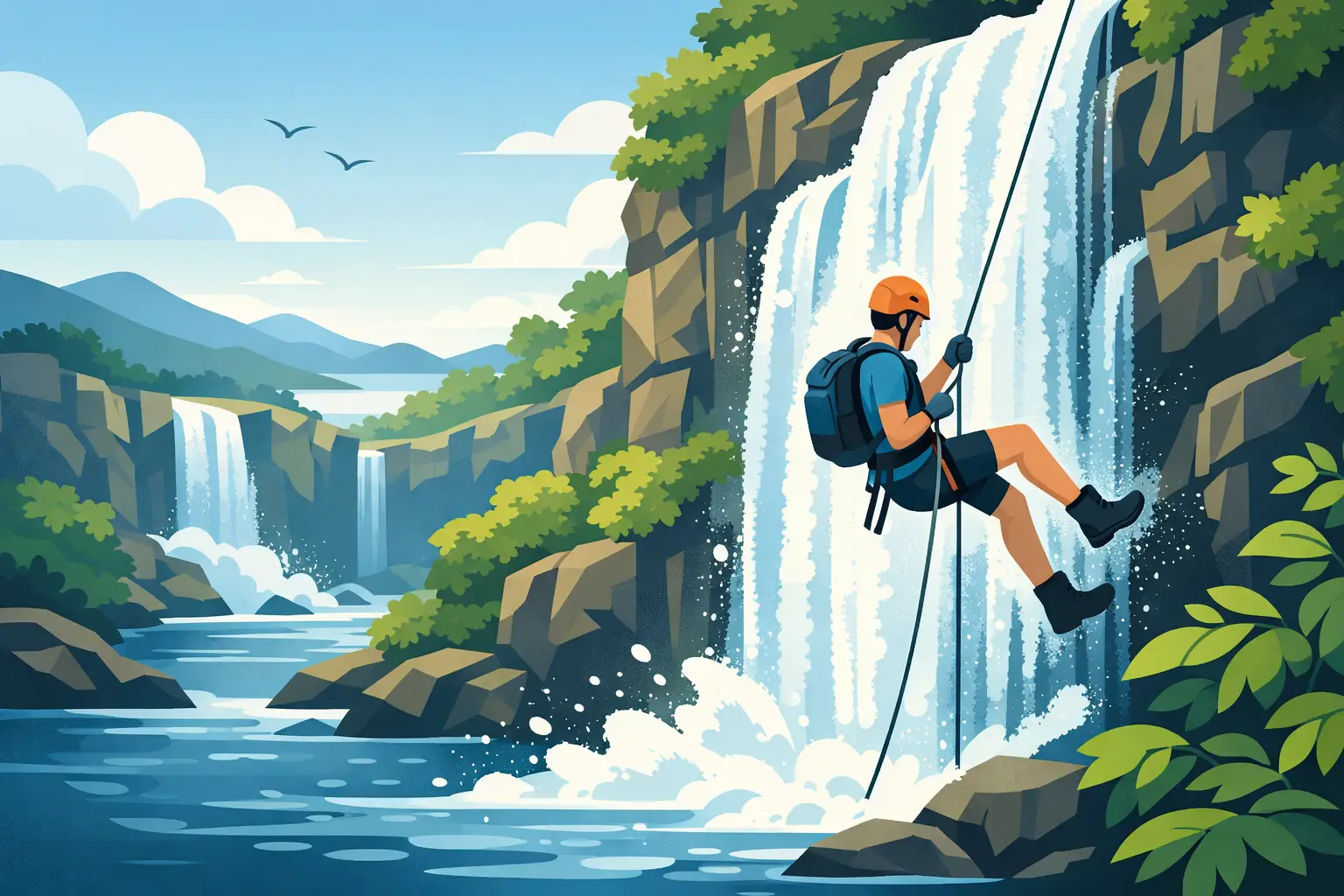
The first step backwards is the one you will remember. Your boots find the wet rock, your harness takes the weight, and suddenly you are lowering yourself through a curtain of cold rainforest water into a deep green gorge. Waterfall abseiling Auckland is not a viewing-platform experience. It is hands-on, loud, wet and brilliantly different from a standard walk in the bush.
Just beyond the city, the Waitākere Ranges deliver steep volcanic terrain, lush native forest and canyons that feel a long way from traffic and timetables. With a guide handling the technical set-up and showing you exactly what to do, even complete newcomers can take on a proper adventure day in the Piha rainforest.
What waterfall abseiling in Auckland actually involves
Waterfall abseiling is part of canyoning: travelling through a gorge using ropes, natural slides, jumps, scrambles and swims. An abseil is a controlled descent on a rope. You wear a harness and helmet, use a descender device, and lean back into the rope while your guide coaches you from the top, bottom or both.
The waterfall element changes everything. Rock underfoot can be slick, the water is flowing around you, and you need to trust the system rather than hug the cliff face. That first moment can feel big. Then the technique clicks: straight legs, hips back, look where you are going, feed the rope steadily. Before long, the nerves often turn into whoops.
A full canyoning day may include major abseils, narrow gorges, cave-like sections, natural pools and jumps. The exact route and features depend on conditions, group ability and the trip format. That is part of the appeal. This is wild terrain, not an obstacle course built to the same dimensions every day.
Why a guided trip makes the experience possible
Abseiling in a wet canyon is not the place to borrow a rope and work it out as you go. The fun comes from committing to the environment with the right people, equipment and systems around you.
On a guided experience, you are shown how the gear works before entering the canyon. Guides fit and check your harness, helmet and other essential equipment, explain movement and communication, and manage rope systems at every technical section. You do the adventure, but you are not expected to arrive as an expert climber or canyoner.
That support makes waterfall abseiling accessible to people who have never used a rope before. It also lets experienced outdoor people enjoy the day without carrying specialised gear or spending hours researching access, route finding and safe exits. You can focus on the water, the walls of the gorge and the next challenge ahead.
AWOL Canyoning Adventures runs guided trips in this rainforest terrain with the training and essential equipment included. Optional transport from central Auckland is particularly useful for visitors, or for groups who would rather relive the big drops together on the journey home than coordinate vehicles.
Choose the trip that matches your appetite
Not every canyoning day needs to start with the biggest waterfall. The right option depends on your confidence, available time and what you want from the day.
A half-day introduction is a strong choice if you are short on time, travelling with friends who are unsure about heights, or trying canyoning for the first time. You still get wet, get moving and learn the basics in real rainforest surroundings, without committing to a full day of physical activity.
Full-day canyoning is for people who want the whole story. Expect more time in the gorge, bigger features, more variety and the satisfying fatigue that comes with earning every view. This is the option for an active group, a memorable birthday plan, or anyone who would choose waterfalls and mud over a conventional sightseeing day.
Night canyoning adds a completely different atmosphere. Moving through the bush after dark, with glowworms appearing around the canyon, makes the familiar rainforest feel wild and otherworldly. It is less about racing through a list of features and more about experiencing the gorge in a new light – or almost no light at all.
For corporate teams, schools and groups celebrating a big occasion, a customised day can bring everyone into the action. The best group plans balance challenge with encouragement. One person may be ready to charge down the first abseil; another may need a calm minute at the edge. A well-led group has room for both.
Do you need experience or serious fitness?
No previous abseiling experience is necessary for beginner-friendly guided trips. You do need a willingness to get wet, listen carefully and have a go. The guide will teach the essential technique before the first descent, and nobody is expected to look polished on attempt one.
Fitness matters, but it is not about being the fastest runner in the group. You should be comfortable walking on uneven ground, climbing over rocks, using your legs on descents and spending several active hours outside on a full-day trip. There can be swimming, scrambling and short bursts of effort between the spectacular bits.
If you have an injury, a medical condition, a strong fear of heights or concerns about swimming, ask before booking. There may be a suitable option, or there may be a better adventure for that day. Being honest helps guides place you on a trip where you can enjoy yourself rather than simply endure it.
Height nerves are common and do not automatically rule you out. The exposure looks different from the edge than it feels once the rope is weighted. Good coaching, a secure harness and taking one clear step at a time can take people much further than they expect.
What to expect on the day
Canyoning is refreshingly practical. Arrive ready to move, meet your guides and group, get fitted with the supplied technical equipment, and hear the plan for the day. The team will cover how to wear and use the kit, what the key calls mean and how to look after one another in the canyon.
From there, you head into the bush. The approach walk is part of the transition: the city falls away, the forest closes in, and the sound of water gets stronger. Once you are in the gorge, progress is measured by features rather than kilometres. There is always another pool, boulder, chute or waterfall ahead.
Bring swimwear to wear under your canyoning gear, a towel and dry clothes for afterwards. Follow the booking information for footwear and any food or drink you need for your chosen trip. Avoid bringing valuables into the canyon. Phones and cameras do not love waterfalls, even when the photos would be excellent.
Weather is part of the deal. Rain can make a canyon feel even more alive, but heavy weather can affect conditions and route plans. Professional guides assess what is appropriate and may adjust, postpone or cancel an activity if needed. That is not a watered-down adventure. It is how a good adventure stays a good story.
Respect the rainforest while you play in it
The Waitākere rainforest is not a backdrop. It is a living environment with fragile tracks, native plants and important waterways. Guided canyoning uses established access and careful group practices to reduce impact, while giving visitors a far more intimate understanding of the landscape than they would get from a car park viewpoint.
Listen to any cleaning requirements for footwear and gear, especially where kauri protection measures apply. Stay with the group, take all rubbish out and resist the urge to pocket natural souvenirs. The best thing to take home is the grin, the photos from before and after, and a proper respect for the place.
Waterfall abseiling rewards people who choose action over observation. You do not need to own ropes, know the knots or arrive fearless. You only need to turn up ready to step back, trust the training and let the rainforest do the rest.