
Waitakere Rainforest Tours for Real Adventure

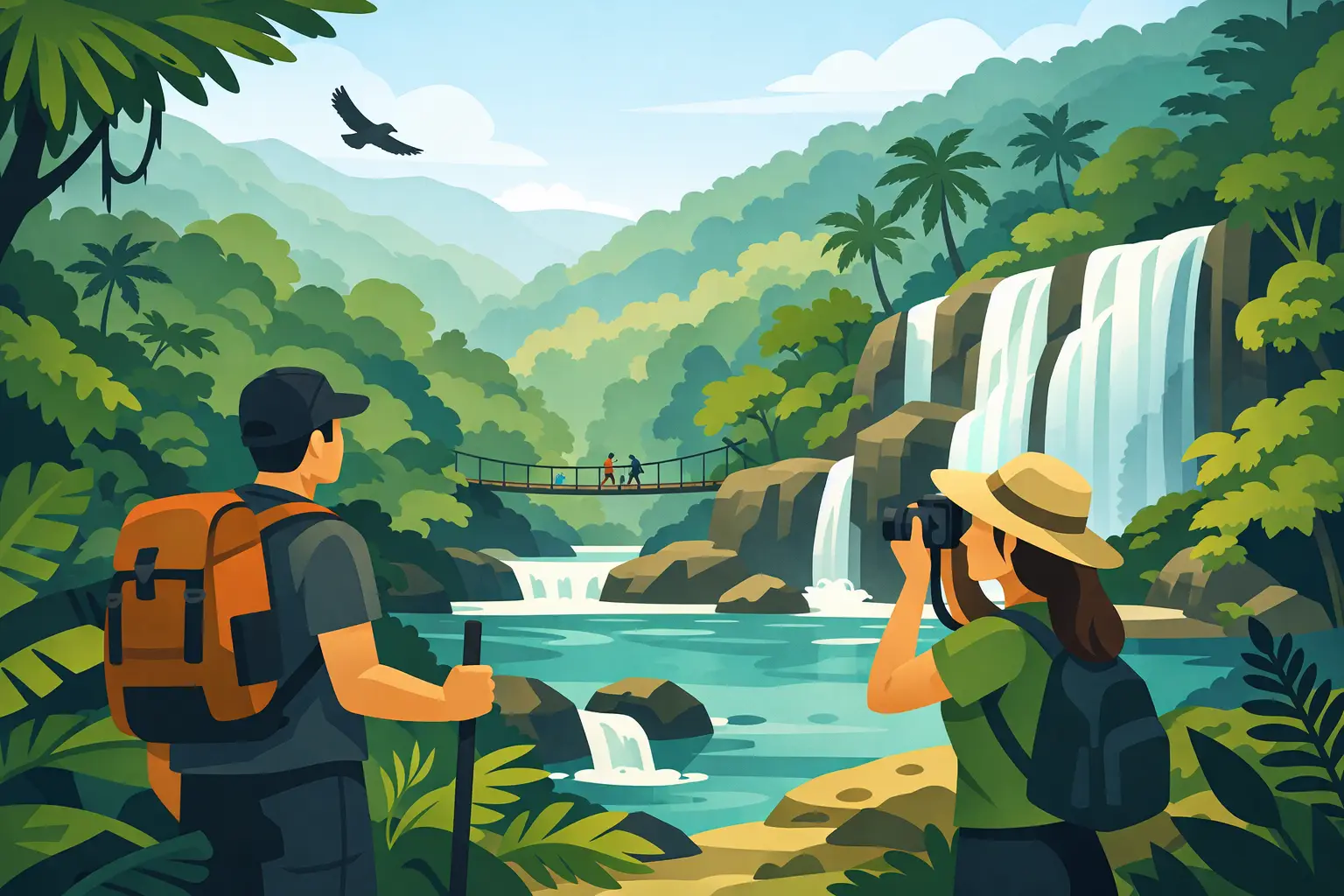
The Waitākere Ranges are not the sort of rainforest you admire from behind a coach window. This is wet rock, rushing water, tangled native bush and deep-cut gorges close enough to Auckland to reach without turning your whole holiday into a road trip. The best Waitakere rainforest tours put you in the action – clipped to a rope above a waterfall, wading through a narrow gorge, or following torchlight into a glowworm-lit canyon after dark.
For visitors, locals and groups who want more than a gentle lookout walk, canyoning turns the Piha rainforest into a proper shared adventure. You do not need to own technical gear or arrive as an outdoor expert. You do need to be ready to get wet, listen to your guide and give something new a crack.
What Waitakere rainforest tours can look like
A rainforest tour can mean plenty of things: a guided bush walk, a scenic drive to the coast or a nature-focused outing. Canyoning is different. It is the active option, using the natural route of a canyon to travel through parts of the bush that are otherwise hard to reach.
That can include abseiling beside or through waterfalls, scrambling over rocks, sliding into pools, making controlled jumps and moving through caves or tight ravines. The scenery is breath-taking, but it is not a spectator sport. You are part of the journey from the first rope briefing to the final walk out.
The right trip depends on your appetite for height, water and a full day outside. A good operator matches the experience to the group, rather than pretending every canyon day suits every person.
Full-day canyoning for the big story
A full-day trip is for people who want the lot: major abseils, waterfalls, narrow gorges, caves and the satisfying feeling of having earned their post-adventure meal. Expect a proper physical day, with time spent learning techniques, moving through the canyon and taking in the rainforest rather than racing past it.
This is a strong choice for adventurous travellers with one standout day available, or for friends celebrating something worth remembering. You might arrive slightly nervous about the first descent. By the time the group is joking at the bottom of a waterfall, that nervous energy usually becomes the best part of the story.
Full-day canyoning is demanding in the right way. You do not need prior canyoning experience, but you should be comfortable in water, able to follow instructions and prepared for uneven ground. If you are unsure about fitness or confidence around heights, ask before booking. A guide can help you choose the trip that will feel exciting rather than overwhelming.
Half-day trips for first-timers and tight schedules
Short on time does not have to mean settling for a tame experience. A half-day canyoning trip gives newcomers a hands-on introduction to abseiling, water and rainforest terrain without committing to a full day in the canyon.
It works brilliantly for Auckland visitors fitting adventure between other plans, local mates trying something new, and families or groups with mixed confidence levels. The learning curve is part of the fun. Your guide explains the equipment and technique before you need it, then stays close as you put it into practice.
The trade-off is simple: a shorter trip gives you less canyon time and fewer features than a full day, but it can be exactly the right amount of challenge. Better to finish buzzing and wanting another go than choose more intensity than your group will enjoy.
Night canyoning and glowworms
After dark, the rainforest changes character. Your headtorch picks out dripping rock, wet leaves and the next few metres of water, while glowworms add pinpricks of light to the canyon walls. It is atmospheric, slightly wild and a long way from an ordinary evening in the city.
Night canyoning suits people who want a different kind of adventure, especially repeat visitors and groups looking for a memorable twist on the usual outdoors day. Moving slowly and working as a team becomes even more important in the dark, which is why professional guidance and clear instruction matter.
Do not choose a night trip solely for the photos. Conditions are darker, cooler and more immersive, and that is the point. Choose it because the idea of entering the bush when most people are heading home sounds like a great plan.
Why guided canyoning makes the difference
Rainforest canyons are dynamic environments. Water levels, weather, slippery rock and route conditions all affect how a trip runs. A guided experience is not simply about being shown the way. It gives you the systems, equipment, training and decision-making that make a challenging route accessible.
At AWOL Canyoning Adventures, guides supply the essential canyoning equipment and show you how to use it before the serious action begins. That means beginners can abseil with a controlled system, learn how to move safely through water and understand what to do at each obstacle. Experienced outdoor people still benefit too, because local knowledge makes a big difference in steep, wet terrain.
Guides also bring the place to life. The Piha area has layers beyond its waterfalls: native plants adapted to the damp bush, birdlife in the canopy, the influence of the coast and the human history of the area. Between the big moments, those details turn a high-energy outing into a richer rainforest experience.
What to expect on the day
The day starts with practical preparation, not a leap over a waterfall. You will meet the group, sort equipment, hear the plan and receive a clear safety briefing. If you have chosen transport from central Auckland, that removes one more logistical job and leaves you free to focus on the adventure ahead.
Once in the ranges, guides will teach the core skills as they are needed. You may begin with an easier abseil or a simple movement technique before tackling a bigger feature. Ask questions. The most confident participants are not always the loudest ones – they are often the people who understand the plan and take their time.
Expect to get wet. That is part of canyoning, not a failure of waterproofing. Wetsuits and safety gear are there to help keep you warm, protected and ready to enjoy the water. You will generally need swimwear for under your wetsuit, a towel and dry clothes for afterwards. Follow the trip-specific kit guidance, particularly on footwear, medication and valuables.
Weather can affect plans, and flexibility is a sensible part of booking an outdoor adventure. Rain may be what gives a canyon its energy, but very heavy conditions can change what is appropriate. A responsible operator will make the call based on safety, not on forcing a trip to run.
Who will enjoy a canyon tour most?
Canyoning is made for people who prefer doing to watching. Couples looking for a holiday highlight, solo travellers keen to meet people, birthday groups and mates after an alternative to the pub will all find plenty to enjoy. Corporate teams, schools and organised groups can get something valuable from it too: communication, encouragement and a visible win for people who start the day doubtful.
You do not need to be the fittest person in the room. You do need reasonable mobility and a willingness to be active for the duration of your chosen trip. If someone has an injury, a medical condition, limited water confidence or a real fear of heights, have an honest conversation before booking. There may be a more suitable format, or it may be better to choose an adventure everyone can enjoy fully.
For group organisers, the secret is setting expectations early. Tell everyone that gear and instruction are provided, no experience is required, and getting wet is guaranteed. That removes much of the hesitation before the group even arrives.
Respect the rainforest while you enjoy it
The Waitākere Ranges are spectacular because they are living, sensitive ecosystems, not an adventure playground built for unlimited traffic. Responsible tours follow established access practices, clean footwear and equipment where required, and take biosecurity seriously to help protect kauri and the wider forest.
Your job is straightforward: follow your guide’s instructions, stay on the agreed route and leave the canyon as wild as you found it. Do not bring unnecessary rubbish, do not disturb wildlife, and do not treat a waterfall or glowworm area as a photo set. Take the memory and the grin home instead.
If a day involving ropes, waterfalls and wild Piha bush is the one your group will still be talking about next year, choose the trip intensity that makes everyone keen to step forward. Then pack your swimwear, bring a bit of courage and send someone to the canyon.