
Family Canyoning Near Auckland for Big Grins

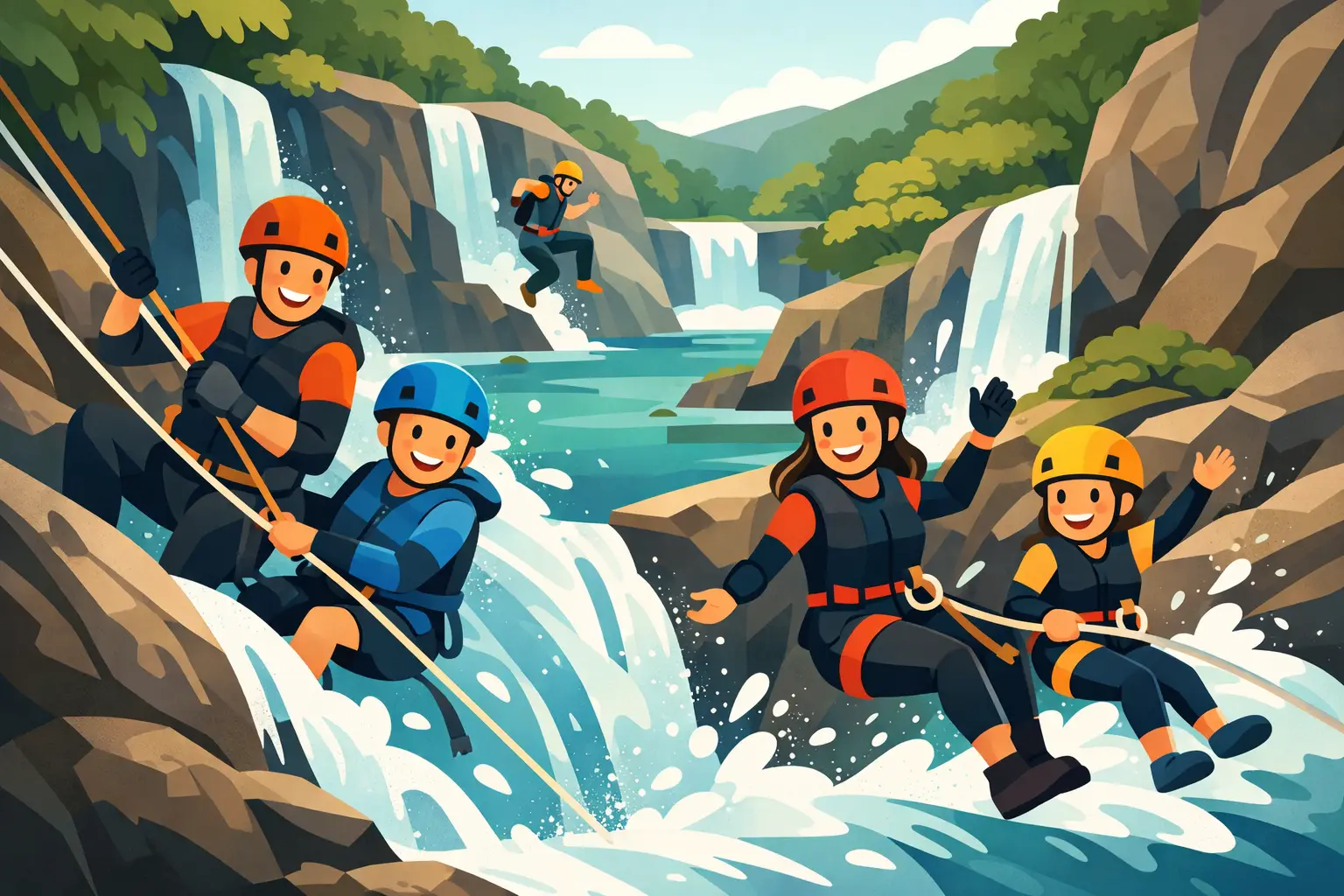
The moment the first person steps backwards over a waterfall, the whole family goes quiet. Then comes the splash, the cheering and the unmistakable question from whoever is next: “Can I go again?” Family canyoning near Auckland is not a passive bush walk with a few nice views. It is a proper rainforest mission, packed with wet rock, rushing water, caves, abseils and the kind of shared courage that stays in family stories for years.
The key is choosing an experience that matches your group, rather than throwing everyone straight into the biggest drop. With qualified guides, the right equipment and a clear briefing, newcomers can get into spectacular Waitākere Ranges terrain without needing to own technical gear or arrive as outdoor experts.
What a family canyoning day actually feels like
Expect to get wet. Properly wet. You will move through lush rainforest, follow a stream into a steep-sided gorge and tackle natural obstacles as a team. Depending on the trip, that could mean learning to abseil beside a waterfall, clambering through rocky sections, sliding into pools, squeezing through a cave or making optional jumps where conditions allow.
It is active, hands-on fun rather than a thrill ride. Everyone has a turn to learn the rope system, listen to instructions and take the next move at their own pace. One person might be buzzing for every jump while another is happiest taking a steady route with a guide talking them through it. Both approaches belong in the canyon.
The scenery does a lot of the work too. Piha’s rainforest feels a long way from the city once the trees close in and the water takes over. Ferns, volcanic rock, waterfalls and echoing gorges make even a short section of canyon feel wildly remote. Yet the adventure is close enough to fit into an Auckland break or a weekend plan without committing to a long backcountry expedition.
Choose the right family canyoning trip near Auckland
Not every canyoning trip is designed for every family. That is a good thing. The best day is one that challenges your group without leaving anyone feeling pushed beyond their comfort level.
Start with the group, not the biggest waterfall
If your family includes first-timers, mixed confidence levels or people who are unsure around heights, an introductory or shorter trip is often the smart call. It gives everyone time to learn the basics, build confidence on rope and enjoy the water without the pressure of an all-day endurance effort.
A full-day canyoning trip is better suited to families ready for a bigger physical challenge and more sustained adventure. These days can include longer approaches, substantial abseils and more time in the gorge. They deliver huge rewards, but they ask more of participants in energy, focus and willingness to keep moving when they are cold and wet.
Night canyoning brings a different kind of magic. Head torches cut through the dark, the rainforest feels louder, and glowworms turn sheltered sections of the canyon into a tiny star field. It can be brilliant for adventurous older families and visitors looking for something truly different. It also requires everyone to be comfortable following instructions in lower light and moving carefully on uneven ground.
Before booking, be upfront about everyone’s age, swimming confidence, fitness, previous injuries and feelings about heights. A good operator would rather direct you towards the right trip than sell a day that does not suit your crew. Minimum age, health and participation requirements can vary by trip, so check these before making plans.
Fitness matters, but bravery is not the whole story
You do not need to be a mountaineer to enjoy canyoning. You do need to be able to walk over uneven ground, cope with being in water and keep a positive attitude when the trail gets muddy. Canyoning uses legs, grip, balance and concentration, especially when descending slippery rock or moving through a narrow gorge.
Swimming ability is worth discussing honestly. In many guided canyon environments, buoyancy gear helps participants float, and guides explain how to move safely in water. But confidence in water makes the day more enjoyable. If someone is nervous, say so early. Guides can give extra coaching, explain each obstacle clearly and help the group choose the most appropriate options where alternatives exist.
Fear of heights is more individual. Standing at the top of an abseil can feel massive, even when you know the rope system is secure. The great part is that abseiling is controlled: you are attached, coached and supported throughout. For many people, that first lean back is the moment the day changes from “I am not sure about this” to “That was awesome.”
Why guided canyoning works for mixed families
Canyoning has a lot going on behind the scenes. Rope setups, weather checks, water levels, route choices and equipment fitting all matter. Trying to work that out alone is not the point of a family day out.
With a guided experience, the technical side is organised for you. Essential canyoning equipment is provided, and you receive training before heading into the gorge. That usually includes how the gear works, how to move safely around the canyon and what to do at each obstacle. You can arrive without prior canyoning experience, then leave knowing you have done something seriously adventurous.
Guides also keep the energy in the right place. They know when to encourage, when to slow the pace and when a changing weather forecast means adapting the plan. Canyons are natural environments, not fixed obstacle courses. Conditions can affect routes and activities, and flexibility is part of doing the adventure properly.
AWOL Canyoning Adventures pairs that practical guidance with local stories about the rainforest, wildlife and Piha area. It adds depth to the day without taking away from the action. Between waterfalls and abseils, you are not just passing through the bush. You start to understand where you are.
How to prepare without overpacking
Canyoning is easier when you arrive ready to listen, move and laugh at yourself when you get splashed. You do not need a garage full of adventure kit, but a few personal essentials make a real difference.
Bring the clothing and items requested in your booking information, and avoid turning up in anything precious. You will be scrambling, swimming and sitting on wet rock. Conditions can shift quickly in rainforest terrain, so follow the pre-trip advice on suitable footwear, warm layers and any medication you need to carry.
For most family groups, the practical checklist comes down to five things:
- A swimsuit or clothing suitable to wear beneath provided gear.
- Towel and dry clothes for after the trip.
- Secure footwear that meets the operator’s requirements.
- Any essential personal medication, clearly packed and declared where needed.
- A willingness to leave phones and valuables safely behind unless a guide confirms a secure option.
Eat a decent meal beforehand and bring the food and water specified for your trip. A long day in the canyon takes more energy than people expect. The good news is that snacks taste much better after an abseil.
Make it a memory, not a pressure test
Families often arrive with different expectations. One person wants the biggest waterfall. Another wants glowworms. Someone else is quietly worried about getting cold, wet or stuck at the top of a drop. The easiest way to keep the day fun is to name those differences before you start.
Set one simple rule: everybody gets to be brave in their own way. For one family member, that may mean taking the leap. For another, it may mean clipping into a rope and edging backwards one careful step at a time. Do not turn the canyon into a contest. Celebrate the small wins loudly, take the photos when it is safe to do so and let the guides lead the technical calls.
Plan the rest of the day lightly. After a full canyoning mission, most groups are ready for dry clothes, a big feed and a chance to replay every splashy moment. If you are travelling from central Auckland, optional transport can remove one more piece of organising and let everyone enjoy the ride home.
The rainforest does not care who is the tallest, fastest or most confident at the start. It rewards the family that shows up, backs each other and is willing to get properly AWOL for a few unforgettable hours.
Family Canyoning Near Auckland for Big Grins
The moment the first person steps backwards over a waterfall, the whole family goes quiet. Then comes the splash, the cheering and the unmistakable question from whoever is next: “Can I go again?” Family canyoning near Auckland is not a passive bush walk with a few nice views. It is a proper rainforest mission, packed with wet rock, rushing water, caves, abseils and the kind of shared courage that stays in family stories for years.
The key is choosing an experience that matches your group, rather than throwing everyone straight into the biggest drop. With qualified guides, the right equipment and a clear briefing, newcomers can get into spectacular Waitākere Ranges terrain without needing to own technical gear or arrive as outdoor experts.
What a family canyoning day actually feels like
Expect to get wet. Properly wet. You will move through lush rainforest, follow a stream into a steep-sided gorge and tackle natural obstacles as a team. Depending on the trip, that could mean learning to abseil beside a waterfall, clambering through rocky sections, sliding into pools, squeezing through a cave or making optional jumps where conditions allow.
It is active, hands-on fun rather than a thrill ride. Everyone has a turn to learn the rope system, listen to instructions and take the next move at their own pace. One person might be buzzing for every jump while another is happiest taking a steady route with a guide talking them through it. Both approaches belong in the canyon.
The scenery does a lot of the work too. Piha’s rainforest feels a long way from the city once the trees close in and the water takes over. Ferns, volcanic rock, waterfalls and echoing gorges make even a short section of canyon feel wildly remote. Yet the adventure is close enough to fit into an Auckland break or a weekend plan without committing to a long backcountry expedition.
Choose the right family canyoning trip near Auckland
Not every canyoning trip is designed for every family. That is a good thing. The best day is one that challenges your group without leaving anyone feeling pushed beyond their comfort level.
Start with the group, not the biggest waterfall
If your family includes first-timers, mixed confidence levels or people who are unsure around heights, an introductory or shorter trip is often the smart call. It gives everyone time to learn the basics, build confidence on rope and enjoy the water without the pressure of an all-day endurance effort.
A full-day canyoning trip is better suited to families ready for a bigger physical challenge and more sustained adventure. These days can include longer approaches, substantial abseils and more time in the gorge. They deliver huge rewards, but they ask more of participants in energy, focus and willingness to keep moving when they are cold and wet.
Night canyoning brings a different kind of magic. Head torches cut through the dark, the rainforest feels louder, and glowworms turn sheltered sections of the canyon into a tiny star field. It can be brilliant for adventurous older families and visitors looking for something truly different. It also requires everyone to be comfortable following instructions in lower light and moving carefully on uneven ground.
Before booking, be upfront about everyone’s age, swimming confidence, fitness, previous injuries and feelings about heights. A good operator would rather direct you towards the right trip than sell a day that does not suit your crew. Minimum age, health and participation requirements can vary by trip, so check these before making plans.
Fitness matters, but bravery is not the whole story
You do not need to be a mountaineer to enjoy canyoning. You do need to be able to walk over uneven ground, cope with being in water and keep a positive attitude when the trail gets muddy. Canyoning uses legs, grip, balance and concentration, especially when descending slippery rock or moving through a narrow gorge.
Swimming ability is worth discussing honestly. In many guided canyon environments, buoyancy gear helps participants float, and guides explain how to move safely in water. But confidence in water makes the day more enjoyable. If someone is nervous, say so early. Guides can give extra coaching, explain each obstacle clearly and help the group choose the most appropriate options where alternatives exist.
Fear of heights is more individual. Standing at the top of an abseil can feel massive, even when you know the rope system is secure. The great part is that abseiling is controlled: you are attached, coached and supported throughout. For many people, that first lean back is the moment the day changes from “I am not sure about this” to “That was awesome.”
Why guided canyoning works for mixed families
Canyoning has a lot going on behind the scenes. Rope setups, weather checks, water levels, route choices and equipment fitting all matter. Trying to work that out alone is not the point of a family day out.
With a guided experience, the technical side is organised for you. Essential canyoning equipment is provided, and you receive training before heading into the gorge. That usually includes how the gear works, how to move safely around the canyon and what to do at each obstacle. You can arrive without prior canyoning experience, then leave knowing you have done something seriously adventurous.
Guides also keep the energy in the right place. They know when to encourage, when to slow the pace and when a changing weather forecast means adapting the plan. Canyons are natural environments, not fixed obstacle courses. Conditions can affect routes and activities, and flexibility is part of doing the adventure properly.
AWOL Canyoning Adventures pairs that practical guidance with local stories about the rainforest, wildlife and Piha area. It adds depth to the day without taking away from the action. Between waterfalls and abseils, you are not just passing through the bush. You start to understand where you are.
How to prepare without overpacking
Canyoning is easier when you arrive ready to listen, move and laugh at yourself when you get splashed. You do not need a garage full of adventure kit, but a few personal essentials make a real difference.
Bring the clothing and items requested in your booking information, and avoid turning up in anything precious. You will be scrambling, swimming and sitting on wet rock. Conditions can shift quickly in rainforest terrain, so follow the pre-trip advice on suitable footwear, warm layers and any medication you need to carry.
For most family groups, the practical checklist comes down to five things:
- A swimsuit or clothing suitable to wear beneath provided gear.
- Towel and dry clothes for after the trip.
- Secure footwear that meets the operator’s requirements.
- Any essential personal medication, clearly packed and declared where needed.
- A willingness to leave phones and valuables safely behind unless a guide confirms a secure option.
Eat a decent meal beforehand and bring the food and water specified for your trip. A long day in the canyon takes more energy than people expect. The good news is that snacks taste much better after an abseil.
Make it a memory, not a pressure test
Families often arrive with different expectations. One person wants the biggest waterfall. Another wants glowworms. Someone else is quietly worried about getting cold, wet or stuck at the top of a drop. The easiest way to keep the day fun is to name those differences before you start.
Set one simple rule: everybody gets to be brave in their own way. For one family member, that may mean taking the leap. For another, it may mean clipping into a rope and edging backwards one careful step at a time. Do not turn the canyon into a contest. Celebrate the small wins loudly, take the photos when it is safe to do so and let the guides lead the technical calls.
Plan the rest of the day lightly. After a full canyoning mission, most groups are ready for dry clothes, a big feed and a chance to replay every splashy moment. If you are travelling from central Auckland, optional transport can remove one more piece of organising and let everyone enjoy the ride home.
The rainforest does not care who is the tallest, fastest or most confident at the start. It rewards the family that shows up, backs each other and is willing to get properly AWOL for a few unforgettable hours.