
Try Beginner Canyoning With No Experience

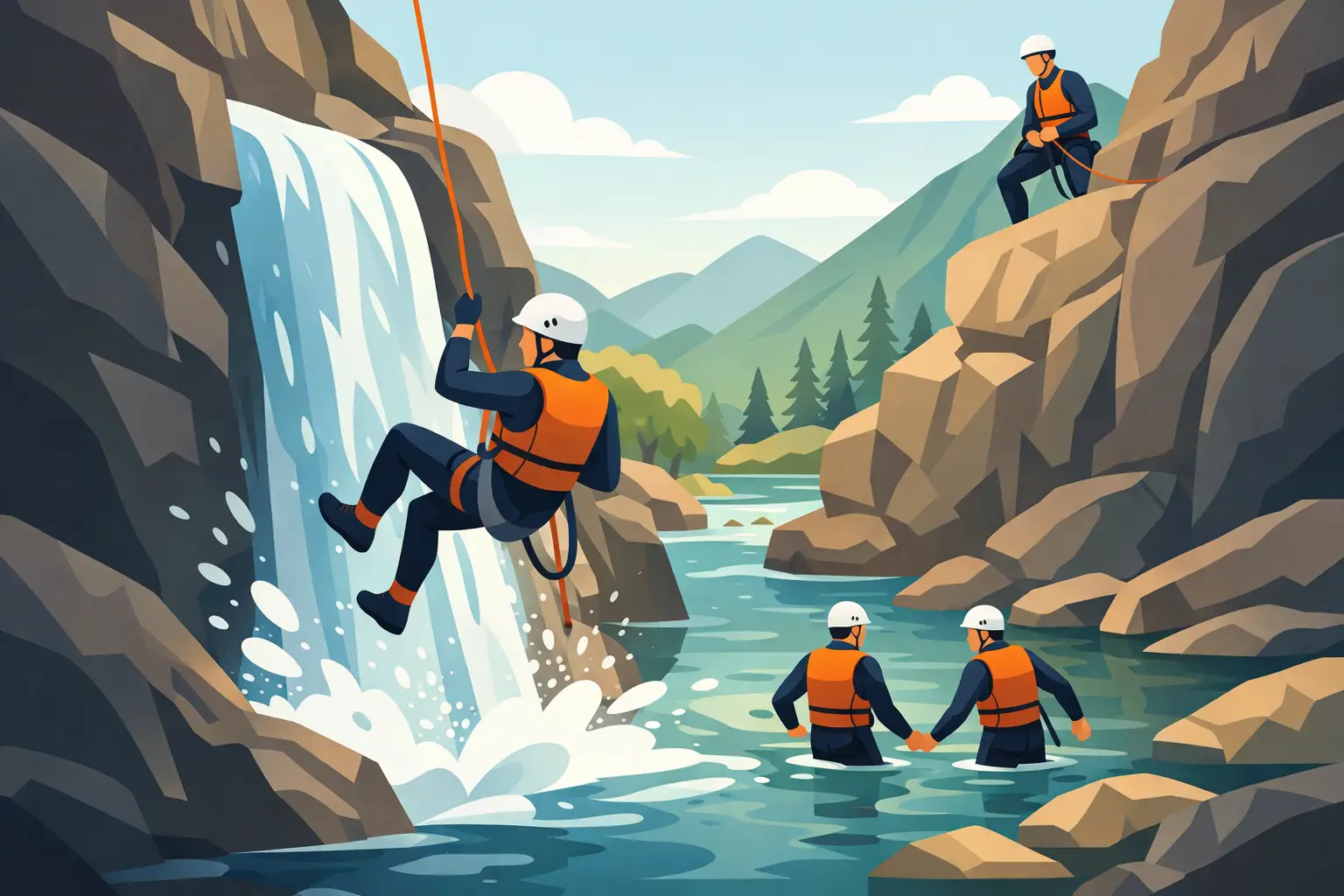
The first abseil is the moment most people remember. Your boots are braced against wet rock, rainforest water runs past your ankles, and a guide talks you through the rope system one clear step at a time. If “beginner canyoning no experience” is what brought you here, that is exactly the point: you do not need to arrive knowing knots, owning specialist gear or having climbed anything before.
You do need to be ready to get wet, listen closely and give something properly adventurous a go. Canyoning is not a stroll through the bush. It is a hands-on day of abseiling waterfalls, moving through rocky gorges, scrambling, jumping where suitable, and taking in the wild side of the Waitākere Ranges.
Can beginners go canyoning with no experience?
Yes. A guided canyoning trip is designed to turn capable newcomers into a team that can move safely through the canyon. Before heading into the action, guides explain how the equipment works, demonstrate the techniques and make sure everyone understands the plan. You practise the essentials before they matter.
That means learning how to wear and adjust your harness and helmet, how to sit back into an abseil, where to place your feet on slippery rock, and how to communicate clearly. You are not expected to memorise a manual. The guide team sets up the technical systems, checks your equipment and gives instructions at each obstacle.
Experience is not the same as confidence. Plenty of first-timers arrive feeling excited but nervous about heights, deep water or the unknown. That is normal. The useful question is whether you can take instruction, keep moving and support your group. The reward is immense: a part of Auckland’s rainforest that cannot be seen from a lookout track, with waterfalls, basalt walls and tight, fern-lined passages all around you.
What a first canyoning day actually feels like
Expect an early burst of anticipation followed by a rapid change of scene. One minute you are sorting out your gear with the group; soon afterwards, you are walking beneath dense native bush towards the sound of running water. Once in the canyon, the outside world falls away.
The day moves in stages. There may be a walk in, then a first small challenge to get comfortable, followed by bigger abseils and natural obstacles. Your guides choose the best approach for conditions and talk you through every section. Some moments are high-energy – stepping backwards over a waterfall is hard to beat – while others are quiet enough to notice the cool air, the bird calls and the incredible shapes carved into the rock.
Canyoning is also surprisingly social. You wait your turn, cheer on the person ahead and swap wide-eyed reactions at the bottom. Friend groups love it because everyone has a story by the end, but it also works brilliantly if you arrive on your own. Shared nerves become shared laughs very quickly.
Beginner canyoning with no experience: choosing your trip
The right trip depends on your appetite for challenge, your fitness and how much time you have. A half-day introductory canyoning trip is a strong choice for anyone who wants a proper taste of the activity without committing to a full day. You still get wet, learn real skills and tackle genuine canyon features, but the pace and duration are more approachable.
A full-day trip gives you more time in the gorge and a bigger sense of expedition. Expect major abseils, waterfalls, caves and a more physical day in the rainforest. It suits active beginners who want to go beyond a taster and are happy with a sustained adventure.
Night canyoning brings a completely different atmosphere. Moving through the bush after dark, with glowworms shining around the water, is memorable in a way daylight trips cannot replicate. It can be a great option for first-timers who want something unusual, provided they are comfortable being outdoors after dark and following close guide instruction.
At AWOL Canyoning Adventures, the important thing is matching the trip to the group rather than pretending every adventure suits everybody. A birthday crew looking for awesome fun may choose differently from visitors with one free day in Auckland, or a corporate group with mixed confidence levels.
How fit do you need to be?
You do not need to be an elite athlete, but canyoning is active. You will walk on uneven ground, climb over rocks, use your legs on abseils and spend time in moving water. A reasonable everyday level of fitness, plus the ability to be on your feet for the trip’s stated duration, is a good starting point.
The terrain can be slippery and the water can feel cool, even in warmer weather. If you have an injury, a medical condition, limited mobility or concerns about swimming, ask before booking. Guides can explain the demands of a specific trip honestly. That conversation is far better than turning up hoping it will somehow be easy.
You may not need to be a strong swimmer for every experience, but you must be comfortable around water and follow the flotation and safety instructions provided. Requirements vary with the route and conditions. Canyoning is always weather and water-level dependent, so good operators adjust plans when nature calls for it.
What you need to bring – and what is supplied
One of the best things about a guided trip is that you do not need to build a garage full of technical kit before your first canyon. Essential equipment such as a wetsuit, helmet, harness and canyoning footwear is supplied, along with the ropes and safety systems managed by the guides.
Bring swimwear to wear under your wetsuit, a towel and whatever you need for the journey home. Leave jewellery and valuables behind where possible. Follow the pre-trip information for any extra clothing, food or medication you may need, especially on a full-day adventure.
The gear is there for comfort as well as protection. A wetsuit helps manage the cold water, grippy footwear gives you better contact on wet rock, and a helmet is non-negotiable in a rocky environment. Wear it properly, take the briefing seriously and tell a guide straight away if something does not fit or feel right.
Worried about heights? Start with the next step
Fear of heights does not automatically rule you out. Abseiling feels different from standing at the edge of a building because you are in a controlled system, connected to a rope and guided through the movement. Still, the first lean-back can make your heart race.
Do not force yourself into a brave performance for the group. Tell your guide before the first abseil. They can give you extra coaching, slow the process down and help you focus on practical actions: feet wide, weight into the harness, look where you are stepping, breathe. Confidence usually arrives after action, not before it.
There is a difference between manageable nerves and panic, and experienced guides understand that. The aim is a challenge you are proud of, not an ordeal you endure. Choosing an introductory format can make a huge difference if heights are new territory.
Make your first canyon trip count
Book with people who enjoy a bit of mud, water and laughter, or come solo and be ready to meet them. Eat well beforehand, arrive on time and pay attention during the briefing. In the canyon, keep your hands free when asked, stay close to the group and look after the person behind you as well as yourself.
Most of all, let the rainforest do its work. The nerves before your first waterfall will not be the headline of the day. The headline will be the moment you realise you have just abseiled through it – with a grin you did not see coming.