
Piha Adventures for a Proper Rainforest Day Out

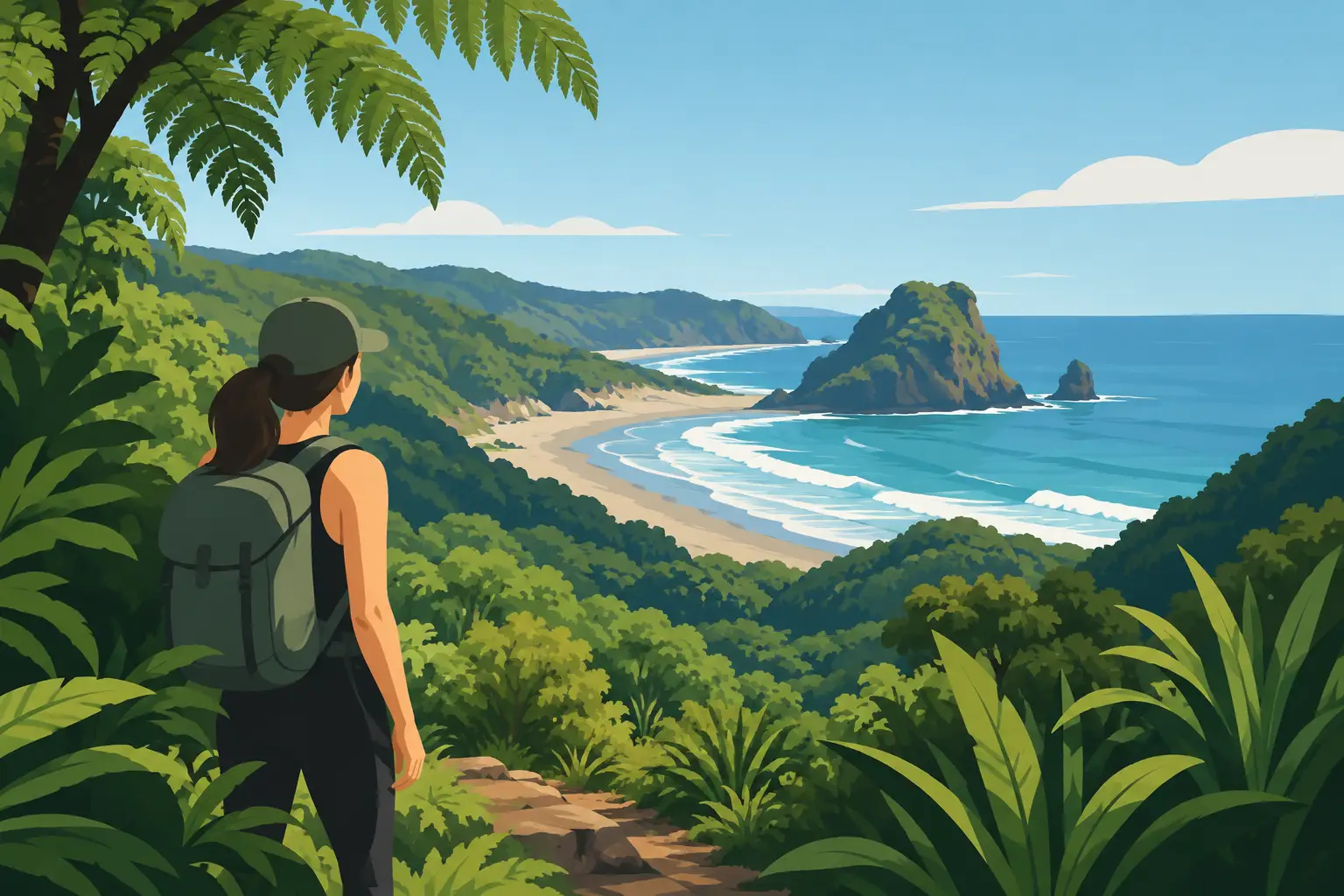
Piha adventures are not about standing at a lookout, taking one photo and heading back to the city. They are about clipping into a rope at the top of a waterfall, stepping backwards into open space, splashing through clear pools and earning that huge grin with your mates. Just 40 minutes from Auckland, the Piha rainforest serves up the kind of wild day out that feels a long way from ordinary.
This is rugged subtropical country: steep gullies, volcanic rock, fern-filled bush, rushing water and narrow passages that ask you to get involved. The good news is that you do not need to arrive as a canyoning expert. With trained guides, the right gear and clear instruction, complete beginners can take on serious terrain without missing the thrill.
Piha adventures begin in the rainforest
Piha is famous for its black-sand beach and dramatic west-coast surf, but the rainforest behind it has a completely different character. Once you leave the road and enter the bush, the landscape closes in. Tree ferns arch overhead, waterfalls cut through dark rock and every bend reveals another pocket of wild terrain.
Canyoning is the best way to move through it because walking beside the action is not the point. You travel with the water: abseiling down rock faces, scrambling over boulders, wading through pools and tackling natural obstacles as a team. One moment you are learning the rope system on solid ground; the next, you are lowering yourself beside a thundering waterfall.
It is physical, wet and brilliantly social. Everyone gets a turn, everyone has a story afterwards, and there is usually a lot of cheering from the group when somebody takes their first big step over an edge.
Choose the trip that matches your appetite
The right adventure depends on how much time you have, how hard you want to push yourself and who is coming along. A shorter canyoning session is a strong choice for first-timers, families with older children, visitors fitting adventure around a packed Auckland itinerary, or groups that want the experience without committing a whole day.
A full-day trip brings the bigger terrain. Expect longer time in the gorge, more technical rope work, larger abseils, waterfalls, jumps where conditions allow, caves and plenty of time to settle into the rhythm of the canyon. This is the option for people who hear “big day in the bush” and immediately say yes.
Night canyoning has its own magic. Once daylight fades, the forest changes pace. Head torches pick out wet rock, moving water and the next section of route, while glowworms appear in the darkness like a scattered constellation. It is less about racing through and more about seeing familiar rainforest in a completely different way.
For work teams, stag and hen groups, schools and mates planning a memorable day, a custom event can make sense. The best group experiences allow for different confidence levels while still giving everyone a genuine challenge. Not every person needs to be the loudest at the first abseil to have an excellent time.
First timer or experienced adventurer?
No previous canyoning experience is needed for a guided trip. You will be shown how to use the equipment, how to abseil, where to place your feet and what to do before each obstacle. Guides do not just send you over an edge and hope for the best. They set up the systems, demonstrate the technique and coach you through the sections that feel new.
That does not mean it is a passive ride. You will be moving, climbing, balancing, swimming and working with the group. A reasonable level of fitness helps, particularly on a full day, but “fit enough” does not mean you need to be a mountain athlete. If you can handle an active day outdoors and are happy getting wet, you are already in the right territory.
The bigger question is often confidence with heights. Feeling nervous before an abseil is normal. In fact, it is part of what makes the finish so satisfying. Let your guide know if heights make you uneasy, take the instruction one step at a time and focus on the job in front of you. Most people are surprised by how quickly a controlled abseil becomes fun.
What a Piha canyoning day feels like
There is a particular moment on a canyoning trip when the outside world drops away. Your phone is packed safely away, the city feels distant and the only things competing for your attention are the sound of water, the next foothold and your friends laughing in the pool below.
A good day starts with the practical stuff: meeting the group, sorting your gear and hearing the plan. Wetsuits, helmets, harnesses and technical equipment are supplied, so there is no need to own specialist kit or guess what to hire. You will receive a safety briefing and hands-on training before heading into the canyon.
Then the pace builds. Early obstacles help everyone get comfortable with the gear and with moving on wet rock. Later, the scenery gets more dramatic and the challenges feel more earned. The exact route can change with weather and water levels, because good guiding means making smart calls for the conditions rather than forcing a fixed plan.
Expect to be wet. Expect cold water on your face at least once. Expect mud on your legs, damp hair and photographs that prove you actually did the thing. The trade-off is that canyoning is not a polished attraction with a queue and a handrail. It is a real adventure in a real rainforest, run with the preparation and judgement that lets you enjoy it properly.
Come prepared, not overloaded
You do not need a giant expedition bag. Bring swimwear to wear under your wetsuit, a towel, footwear suitable for getting wet if requested, any personal medication and a change of clothes for afterwards. Leave valuables behind where possible. Wet canyons and loose phones are a poor combination.
Eat before you arrive and bring any food needed for the length of your trip. Full-day adventures demand more energy than people expect, especially when the weather is cool. A good breakfast and sensible snacks make a noticeable difference to your concentration and enjoyment.
Transport can also be part of the plan. If you are visiting Auckland, travelling with a group or simply do not want to navigate unfamiliar west-coast roads after a big day, optional pick-up from central Auckland keeps the logistics easy. It means the adventure starts with the group, rather than with a scramble to organise cars.
Respect the place that makes the adventure possible
The Waitākere Ranges are extraordinary, but they are not a playground without limits. Staying on approved access routes, cleaning footwear when required and following your guide’s instructions helps protect the forest, particularly from kauri dieback. Small actions matter in a place where ancient trees and fragile waterways need active care.
A guided trip also adds local knowledge to the action. Between waterfalls and abseils, there is time to notice the birdlife, the plants pushing out of the rock and the stories held in the Piha area. That context changes the experience. You are not just passing through a scenic backdrop – you are moving through a living landscape with rules, history and real character.
Make it a day your group will talk about
The best adventure groups are rarely made up of identical people. One person is keen for the biggest abseil, another is trying canyoning for the first time, and someone else is there because their mate promised it would be awesome. A well-run trip gives each of them a moment to feel proud.
If you are booking for friends, be honest about the group’s fitness, swimming confidence and appetite for heights. That makes it easier to choose a trip that delivers excitement rather than pushing somebody into the wrong level of challenge. For a birthday, incentive day or pre-wedding celebration, shared achievement beats another round of drinks in town every time.
AWOL Canyoning Adventures brings the gear, training and experienced guides so your group can focus on the good bit: getting into the canyon and giving it a go. Turn up ready to listen, get wet and back your mates. The rainforest will handle the rest.