
Are Canyoning Jumps Compulsory? What to Expect

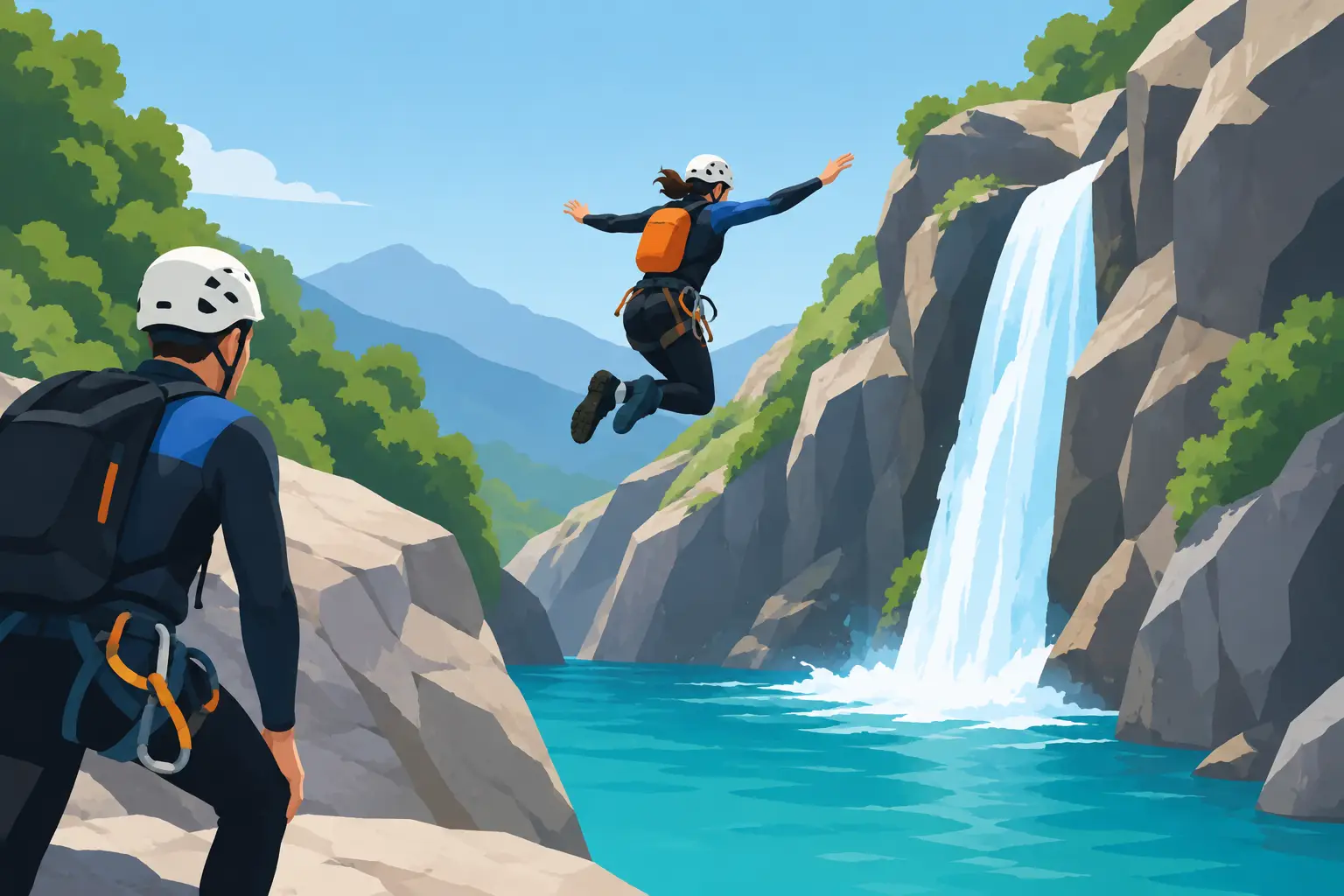
A narrow gorge, a clear pool below and your mates cheering from the rocks: it is easy to see why people ask, are canyoning jumps compulsory? The short answer is no, not in the sense that you should ever be pressured into a jump you do not feel ready to make. Great canyoning is about tackling a wild route as a team, not proving something by ignoring your limits.
That said, canyoning is an active adventure. Water, uneven terrain, abseils and natural obstacles are part of the deal. Your guide will explain what is coming, show you how to handle each feature and help you choose the right way through. Sometimes that means a brilliant leap into a deep pool. Sometimes it means taking an alternative route, using a rope, or being lowered in.
Are canyoning jumps compulsory on guided trips?
No – a reputable guided canyoning trip should never treat fear as a failure or force anyone to jump. Jumps are a highlight for plenty of people, but they are not the sole measure of an awesome day in the canyon.
The important distinction is between an optional jump and a compulsory part of moving safely through a route. Every canyon is shaped by its rock, water level and weather. On many trips, guides can offer a jump alternative, such as an abseil, a controlled lower or another route around the feature. The exact option depends on the canyon conditions on the day.
Your guide makes that call after assessing the water, the landing zone and the group. If a jump is offered, it is because they have checked it is suitable. If conditions change, a jump that was possible yesterday may not be on the plan today. That is not less adventurous – it is how good guiding works.
You are expected to listen to instructions, use the equipment properly and stay with the group. Those are non-negotiable parts of a safe canyoning day. Whether you jump when another safe option is available is a different matter.
What happens if you do not want to jump?
Tell your guide early. Ideally, mention it at the start of the trip rather than waiting until you are standing at the edge. There is no need for a dramatic announcement. A simple, “I am not keen on jumps,” gives your guide useful information and lets them support you from the first briefing onwards.
Guides are used to mixed groups. One person may be counting down the minutes until the first leap while another is excited about the waterfalls and nervous about deep water. Both belong in the canyon. A good guide will talk you through the feature, explain the landing and give you a realistic choice where an alternative exists.
Often, seeing someone else go first helps. You can watch their body position, hear the guide’s instructions again and take a moment to settle your breathing. But watching is not an obligation to follow. If your confidence does not arrive, use the alternative and keep moving. There will be plenty more moments to enjoy.
Why a jump can feel bigger than it is
Canyoning jumps are not the same as jumping off a random ledge into a river. Guides assess them carefully, tell you where to take off and show you how to land. You will generally be asked to jump feet first, with a clear body position, rather than launching yourself however you fancy.
Even so, the mental side is real. Your brain sees height, water and a rocky gorge, then starts asking sensible questions. That rush of nerves does not mean you are unfit or incapable. It means you are doing something outside your normal Saturday routine.
The sweet spot is challenge with control. You might start with a smaller jump, learn that the water is colder than expected but the landing is straightforward, then choose to try another later. Or you may decide jumps are not your thing and discover that a waterfall abseil is your favourite part instead. Canyoning has more than one way to make your heart race.
Confidence is not the same as pressure
A supportive group can make a huge difference. Encouragement is brilliant when it sounds like, “Take your time, you have got this.” It is not brilliant when it turns into pressure from friends who want a dramatic video.
Give yourself permission to set the pace. The best stories from a canyon are not always about the highest jump. They might be about backing over your first waterfall on rope, squeezing through a rocky passage, spotting glowworms in the dark, or laughing so hard in a plunge pool that you forget the rain.
If you are booking for a birthday, stag or hen group, have this conversation before the day. Make it clear that everyone can take part without having to perform for the camera. That creates a better group atmosphere and usually makes people more willing to challenge themselves naturally.
Choosing the right canyoning experience
Not every canyoning trip has the same intensity. A shorter introductory experience can be a smart choice if you are new to outdoor adventure, unsure about heights or simply want to see how you feel in a wetsuit before committing to a full day.
A full-day canyoning adventure typically has more time, more varied features and bigger moments, including substantial abseils, waterfalls and deeper gorge travel. It can suit active beginners as well as experienced adventurers, provided you are comfortable with a physical day outdoors and ready to follow instruction.
Night canyoning brings a different kind of buzz. Darkness changes your sense of scale, while the rainforest and glowworms create a seriously memorable setting. It may involve water and uneven ground, but the appeal is less about chasing the biggest jump and more about moving through the bush in a completely new way.
When booking, be honest about what you enjoy and what worries you. Mention a fear of heights, weak swimming confidence, a recent injury or any medical concern that could affect your day. This is not about talking yourself out of adventure. It helps the team point you towards a trip that will feel challenging for the right reasons.
How guides keep the fun organised
Canyoning looks wild because it is wild terrain, but a guided trip has structure behind the scenes. Before heading into the gorge, you receive the right equipment and a practical briefing. You will learn how to move on slippery rock, use your helmet and harness, respond in water and follow rope instructions.
Throughout the day, guides manage the flow of the group. They identify safe lines, set ropes where needed and give clear directions at each obstacle. They also keep an eye on energy levels. A full day in the rainforest is more demanding than a gym session because you are scrambling, swimming, abseiling and reacting to a natural environment.
Conditions matter too. Rainfall can change water levels quickly, and guides may adapt the route or activity sequence to suit. Flexibility is part of the adventure. You are not buying a rigid checklist of stunts; you are joining a professionally led journey through a living canyon.
A quick reality check before you book
You do not need previous canyoning experience to get started. You do need a reasonable level of fitness, willingness to get wet and an appetite for a hands-on day outside. Expect to walk, climb over rocks, spend time in water and follow instructions closely.
Being unable to swim does not automatically answer every question, but it is something to raise before booking. Water confidence varies hugely, and the right trip depends on your comfort level as well as the route. The same goes for anyone travelling with friends or family who have very different ideas of what counts as fun.
AWOL Canyoning Adventures provides the essential specialist gear and the training to use it, so newcomers do not need to arrive as technical canyoners. Bring an open mind, listen up and be ready for the rainforest to feel a long way from the city.
The best jump is the one you genuinely choose. If that moment comes and you are ready, enjoy the count-down, step out cleanly and meet the water with a grin. If it does not, take the rope route, cheer on your mates and save your big moment for the next waterfall.