
Can Non Swimmers Go Canyoning? Yes – Here’s How

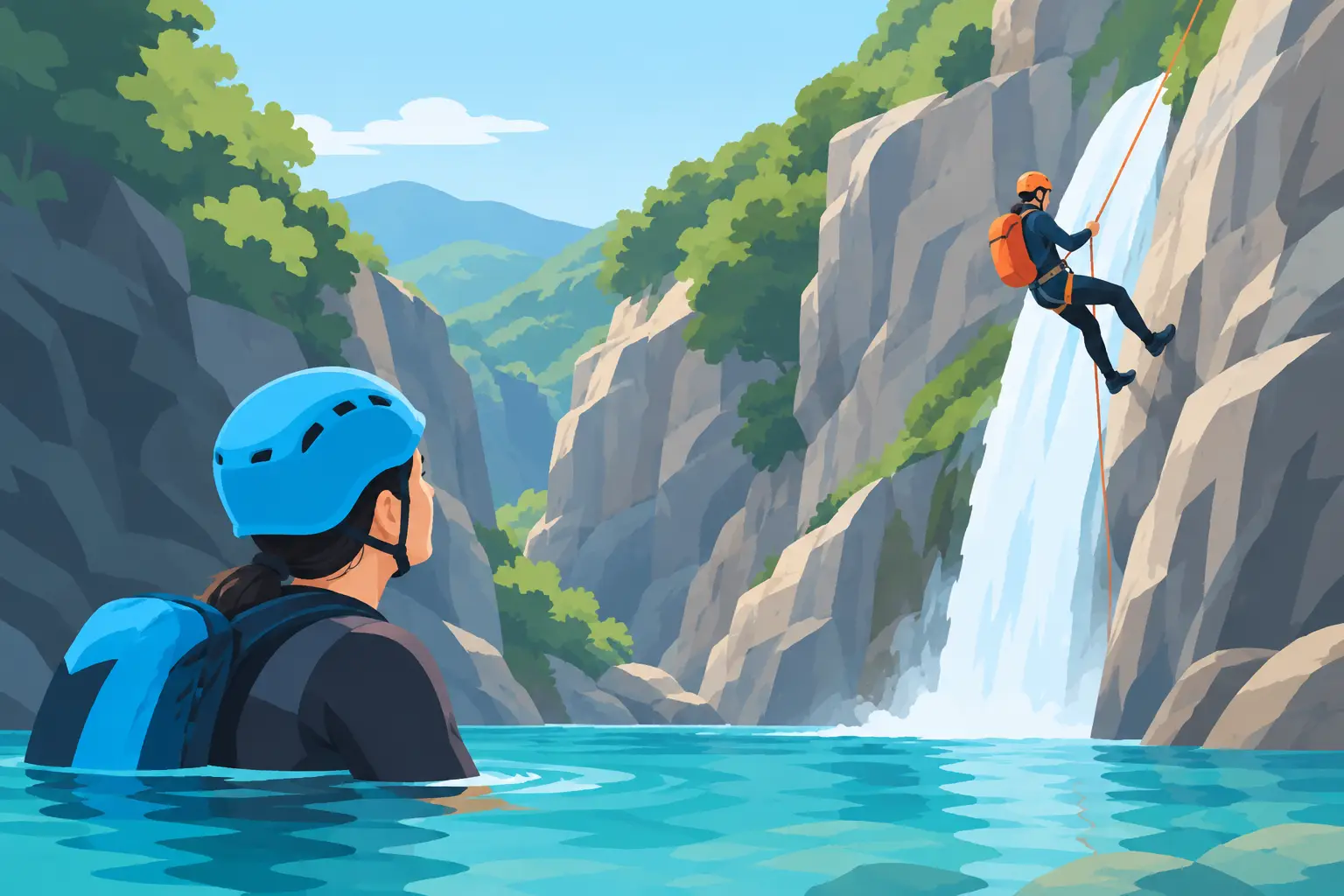
Standing at the edge of a rainforest waterfall, most first-timers are not worrying about perfect freestyle technique. They are wondering: can non swimmers go canyoning without feeling out of their depth? For many guided trips, the answer is yes. You do not need to be a lap swimmer to enjoy abseils, waterfalls, cave sections and crystal-clear pools. You do need to be honest about your confidence in water, ready to listen, and keen to have a go.
Canyoning is not a swimming lesson with a few rocks thrown in. It is an active outdoor adventure that combines walking, scrambling, sliding, abseiling and moving through water. The right trip, the right gear and experienced guides make a huge difference – especially if water is not normally your comfort zone.
Can non swimmers go canyoning safely?
Non-swimmers can often take part in canyoning safely on an introductory guided experience, provided the trip is designed for beginners and participants meet the operator’s suitability requirements. Water sections may include wading, floating, short swims or being lowered through waterfalls, but a buoyancy aid helps keep you afloat while a wetsuit adds warmth and some extra buoyancy.
That does not mean swimming ability never matters. Every canyon is different. Water levels change with weather, some routes contain longer pools, and a full-day adventure can be more physically demanding than a shorter introduction. A responsible operator will assess the conditions and explain what the trip involves before anyone enters the canyon.
The key distinction is this: not being able to swim confidently is different from panicking in deep water. If you can stay calm while floating with a buoyancy aid, follow instructions and communicate clearly with a guide, a beginner canyoning trip may be a brilliant fit. If deep water causes a strong fear response, discuss it openly before booking. There may be a gentler option, or canyoning may be one challenge to save for later.
What happens in the water?
A good canyoning day starts before the first waterfall. Guides explain how the equipment works, how to move safely on wet rock, what signals to use and what to do if you end up in a pool. You will not be expected to arrive knowing knots, rope systems or how to descend a waterfall. That is the guide’s job.
For non-swimmers, the most reassuring part is usually the flotation gear. A properly fitted buoyancy aid is there to support you in deeper water, while guides position the group carefully and give clear, simple instructions. In some pools, you may float on your back and use your arms and legs to steer. In others, you may swim only a short distance, with a guide nearby.
Canyon water can feel more intense than a swimming pool. It is cooler, moving water can make noise, and the walls of the gorge can make the setting feel wild. That is also what makes it unforgettable. The aim is not to pretend it is nothing. The aim is to build confidence one small action at a time, with the right support around you.
Expect activity, not a passive ride
Canyoning still requires effort. You may be walking over uneven ground, climbing down rocks, squeezing through narrow sections and spending several hours outdoors. You do not need to be an elite athlete, but a reasonable level of general fitness and mobility will help you enjoy the day.
Tell your guides about injuries, medical conditions or concerns around water in advance. This gives them the chance to advise on the most suitable trip and lets you arrive prepared rather than nervous about raising it on the day.
Choose the right canyoning trip for your confidence
If you are a non-swimmer, starting with a half-day beginner trip is often the smart move. It gives you the buzz of the canyon without committing to the biggest abseils or a long, demanding day. You still get the rainforest, waterfalls and proper adventure stories – just at a more approachable pace.
A full-day trip can be an excellent choice if you are active, comfortable wearing a buoyancy aid in water and happy to follow a more challenging itinerary. These experiences tend to include more technical terrain, bigger descents and more time in the gorge. They are ideal for people who want the full hit of Auckland wilderness and are willing to push beyond their usual comfort zone.
Night canyoning is a different kind of adventure again. Moving through the bush after dark, with glowworms above and water below, is seriously special. But darkness can amplify nerves. If water confidence is already your biggest concern, a daylight trip may be the better first canyoning experience.
At AWOL Canyoning Adventures, guides provide the essential canyoning gear and teach the skills you need before heading into the Waitākere Ranges. That guided structure is why canyoning can be accessible to newcomers while still delivering the real thing: waterfalls, abseils, rock slides, rainforest and plenty of adrenaline.
How to prepare if you cannot swim
The best preparation is not trying to become a strong swimmer overnight. It is arriving with a realistic mindset and a willingness to practise a few simple water-confidence skills beforehand. If you have access to a pool, spend some time wearing a buoyancy aid, floating on your back and getting used to putting your face near the water. Even basic familiarity can make a big difference.
Be clear when you book. Say that you are a non-swimmer, explain whether you are comfortable floating with a life jacket, and ask about the length of any required swims. There is no prize for keeping quiet and then feeling overwhelmed in the canyon. Good guides would always rather have the conversation early.
On the day, focus on the next instruction rather than the entire route ahead. You might start with an easy wade, then a short float, then an abseil beside a waterfall. Confidence often builds quickly once you realise the gear works, the guides are calm and everyone in the group is taking things one step at a time.
Wear what you are asked to wear and use every piece of issued equipment properly. Wetsuits, helmets, harnesses and buoyancy aids are not just part of the photo. They are practical tools that keep you warm, protected and supported throughout the experience.
When canyoning may not be the right choice
There are times when the honest answer should be “not this trip, not yet”. If you are unable to float with a buoyancy aid, have a severe fear of deep water, cannot follow safety instructions under pressure, or have a medical condition that could be affected by cold water or exertion, canyoning may not be suitable.
Weather also has the final say. Rain can transform a gentle stream into fast-moving water, so operators may alter, postpone or cancel a trip when conditions are not right. That is not a spoiled adventure. It is professional judgement, and it protects the group as well as the fragile rainforest environment.
You should also avoid assuming every obstacle has an easy bypass. Some jumps may be optional, depending on the route and conditions, while other sections are integral to moving through the canyon. Ask specific questions before booking rather than relying on dramatic social posts or a mate’s version of the day.
Bring a brave mate, but choose your own pace
Canyoning is brilliant for friend groups because everyone brings a different strength. One person loves the abseils, another races through the rock scrambles, and someone who arrived worried about water ends up grinning after their first float through a gorge. The shared encouragement is part of the fun.
Still, do not let group pressure make decisions for you. A supportive crew cheers you on, listens when you need a moment and celebrates the small wins. The biggest achievement is not looking fearless. It is taking on a real challenge in a way that feels controlled, safe and genuinely exciting.
If you are a non-swimmer with a taste for adventure, canyoning does not have to be off limits. Choose a beginner-friendly guided route, talk honestly about your confidence, trust the equipment and let the rainforest do the rest. Your first step into the water might be the start of your favourite Auckland story.