
Is Canyoning Suitable for Groups Near Auckland?

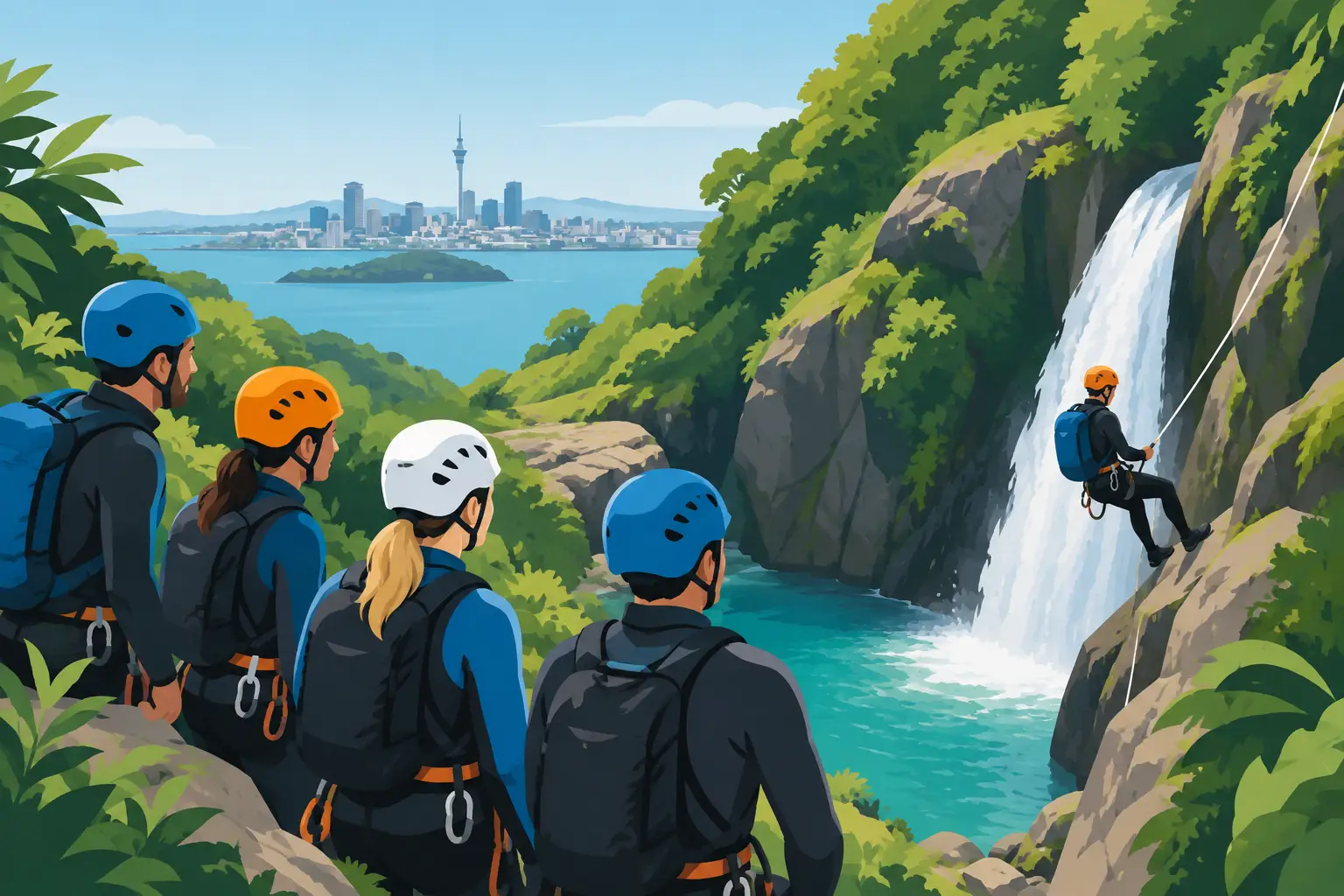
A group day out gets much better when nobody is stuck watching from the sidelines. You are all clipping into ropes, stepping beneath waterfalls, scrambling through rainforest and celebrating the moment someone takes their first proper abseil. So, is canyoning suitable for groups? Absolutely – provided the trip is matched to the people in it, and the day is led by guides who know how to keep the action moving safely.
Canyoning is not a passive sightseeing activity. It asks people to get wet, try something new and back themselves. That is exactly why it works so well for mates, families, work teams and celebration groups looking for something more memorable than a standard meal or escape room.
Is canyoning suitable for groups with mixed abilities?
Usually, yes. The strongest group canyoning days are not built around everyone having identical fitness or outdoor experience. They are built around good briefing, clear coaching and an itinerary with enough challenge to feel exciting without leaving newcomers behind.
On a guided trip, participants are shown how to use the equipment before the real action begins. Guides explain the abseiling system, demonstrate movement techniques and give individual support at key moments. You do not need to arrive with ropes skills, a garage full of specialist kit or previous canyoning experience. That removes a big barrier for groups where one person is keen, another is curious and someone else is wondering what they have agreed to.
There is still a realistic line to draw. Canyoning suits people who are comfortable being active outdoors, happy to get fully wet and willing to listen carefully. It may not be the right choice for a person with a significant injury, a serious medical condition, a severe fear of heights or no confidence in water. A good organiser asks those questions early rather than hoping everyone will simply get on with it once they reach the gorge.
Fitness matters, but it does not mean being an endurance athlete. Expect uneven ground, walking through water, climbing over natural features and carrying yourself through a physical day. A half-day option can be a smart call for groups wanting a first taste of canyoning, while a full-day adventure gives confident, energetic crews more time for bigger abseils, narrow gorges, caves, jumps and waterfalls.
Why canyoning brings groups together
Most group activities create a few good photos. Canyoning creates a shared story people keep retelling. There is the first step backwards over an abseil edge, the cold-water shout, the person who surprises themselves, and the satisfying tiredness at the end of a full day in the bush.
The experience naturally mixes individual challenge with team spirit. Each person descends at their own pace, but nobody does it alone. Friends encourage each other from below, teammates help keep the energy up on the walk, and guides make sure instructions stay simple when nerves rise. It is active without turning into a competition.
That balance is especially useful for corporate groups. A canyon does not care about job titles. People see colleagues problem-solve, stay calm, encourage others and have a proper laugh outside the office. The value is not in forcing a team-building lesson. It is in giving people a genuine experience that requires trust, communication and a willingness to try.
For birthdays, hens, stags and visiting friends, canyoning also beats the usual plan because it feels like an occasion. Auckland’s rainforest and west coast scenery are close enough for a practical day out, yet once you are under the canopy and moving through a gorge, the city feels a long way off.
Pick the trip that fits your crew
The best group booking starts with an honest read of the group, not with bravado. If several people are first-timers or you have a wide spread of confidence levels, a shorter introductory trip gives everyone a strong hit of adventure without making the day feel daunting. It is an excellent choice for friends testing the waters, families with older children who meet the age requirements, or visitors fitting plenty into a short stay.
A full-day canyoning trip is for groups ready to earn their stories. More time in the canyon means more features, more technical variety and a bigger sense of achievement. Expect major abseils, waterfalls, natural pools and the kind of lush rainforest scenery that makes even a wet wetsuit feel worth it.
Night canyoning has a different energy again. Headtorches, darkness and glowworms turn familiar bush into something properly wild. It is brilliant for groups that want a distinctive evening adventure, but it is best for people comfortable with a little extra atmosphere and happy to follow instructions closely in lower light.
For workplaces, schools or larger organised groups, a customised format can make more sense than squeezing everyone into a standard trip. Combining canyoning with adventure racing or a rogaine can bring in strategy, navigation and team tasks while retaining the high point: getting into the gorge and doing something most people have never done before.
What keeps a group canyoning day safe and fun?
The fun only works when the foundations are sorted. Professional guides assess conditions, manage the route, provide technical instruction and make decisions based on the group and the environment. Water levels, weather and canyon conditions can change. A responsible operator may alter plans or postpone an activity when that is the safest call. That is not a ruined adventure – it is good judgement.
Groups also need to do their part. Turn up on time, bring exactly what the booking information asks for, eat beforehand and be upfront about injuries, medication, swimming ability and relevant health concerns. Do not let the loudest person in the chat make the call for everyone. A quick private check-in gives quieter members a chance to flag worries before the day starts.
Equipment should be supplied and fitted properly. Wetsuits help with warmth, while helmets, harnesses and technical gear are there for a reason. Listen when guides cover how to use them. There is no prize for pretending you understood an instruction when you did not. Ask the question, get the answer and carry on with confidence.
Respect for the rainforest matters too. Canyoning is a privilege, not a free-for-all. Staying on designated routes, cleaning gear as required and following guidance around protecting the forest helps keep these places special for the next group heading in.
How to organise a group without the group-chat chaos
Start by agreeing the kind of day you want: a quick introduction, a full-on all-day mission, a night adventure or a tailored team event. Then get a realistic headcount, including anyone who is a maybe. This makes it much easier to choose a date and trip that has the right capacity.
Before booking, share the physical expectations plainly. Say that there will be water, uneven terrain, heights and a decent amount of movement. Frame it positively, but do not oversell an easy stroll. The right people will be more excited when they know what is coming.
It helps to nominate one organiser for payments, timing and transport questions, but avoid making them responsible for everybody’s nerves. Each participant should read the trip details and complete any required information themselves. If optional transport from central Auckland is available, it can be a handy way to keep the group together and take the logistics off the table.
For larger crews, ask about private or customised options early. These can offer a better flow than trying to coordinate a big party around a public departure. AWOL Canyoning Adventures can also help shape the day around the group’s goals, whether that means a celebration, a staff reward or a school programme with clear learning outcomes.
The honest answer for your group
Canyoning is suitable for groups when the shared goal is adventure, not perfection. Some people will love the jumps. Others will be proudest of taking one careful step over an abseil edge. Both reactions belong in the same canyon.
Choose the trip level thoughtfully, be honest about confidence and physical limitations, and let the guides lead the technical side. Then bring a crew willing to get wet, cheer loudly and leave the rainforest with far better stories than they arrived with.