
What to Wear Canyoning for a Big Day Out

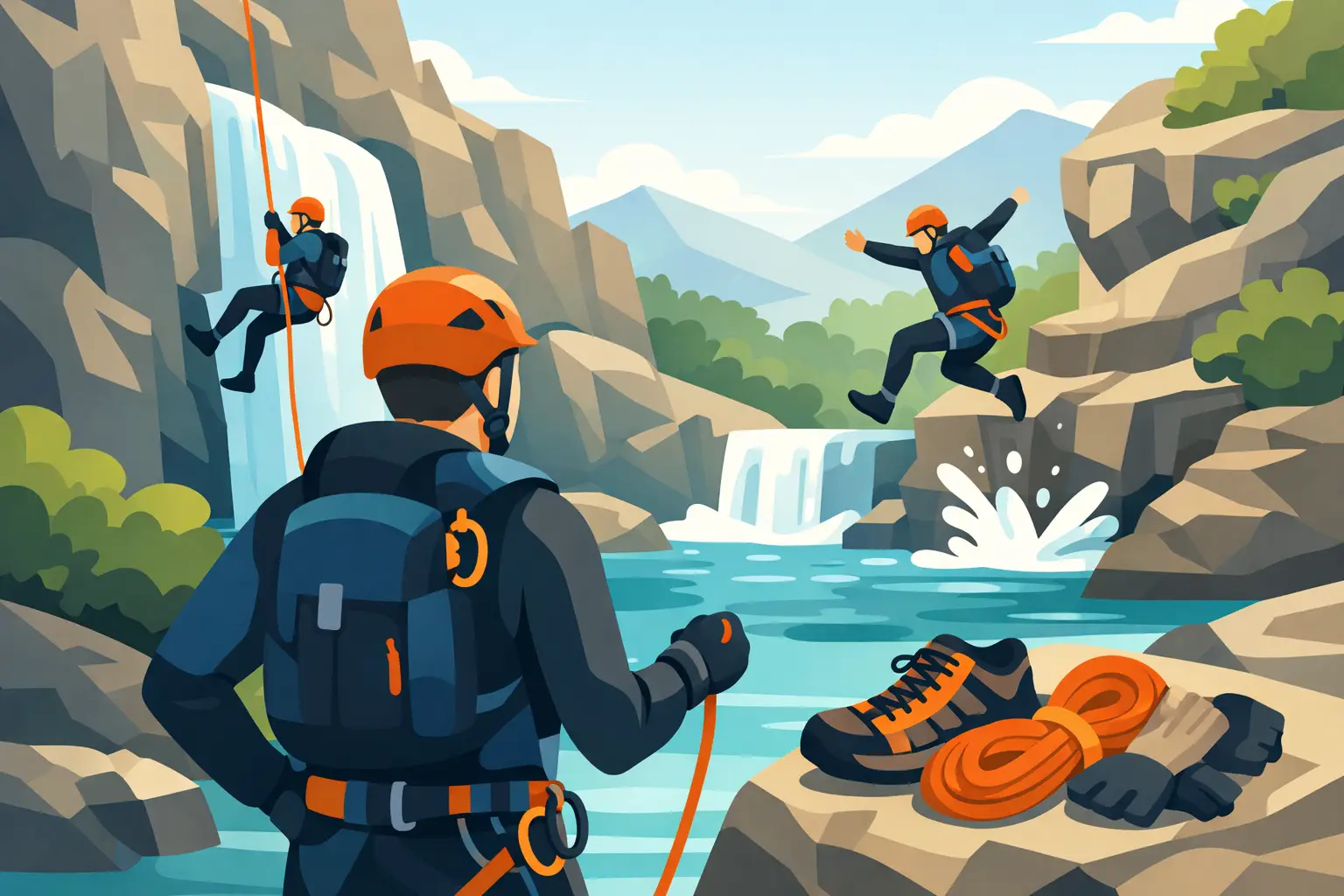
The first waterfall is where the question of what to wear canyoning stops being theoretical. You are wet, moving through cool water, scrambling over rock and about to clip into an abseil. The right clothing will not make the canyon less wild, but it will keep you warmer, more comfortable and ready to enjoy every jump, slide and waterfall.
The good news is that you do not need to arrive looking like a technical expedition athlete. On a guided canyoning trip, essential specialist equipment is supplied and your guides will show you how it works. Your job is to bring a few sensible personal items, choose clothes you can move in, and leave anything precious out of the splash zone.
What to wear canyoning in the rainforest
For a full canyoning day near Piha, expect a mix of walking, swimming, scrambling, abseiling and standing beneath waterfalls. That means quick-drying layers beat cotton every time. Cotton gets heavy when wet, stays cold and can rub once you are wearing a harness. Save the cotton tee for the journey home.
Start with swimwear. Wear bathers or swim shorts beneath your wetsuit so you are covered for changing, moving around the canyon and stripping off wet gear afterwards. A simple one-piece, bikini, board shorts or fitted swim trunks all work. Pick something secure that will stay put when you hit the water.
Over that, most guided trips provide a wetsuit suited to the conditions. Wetsuits are designed to trap a thin layer of water against your body, which warms up as you move. They do not keep you completely dry – canyoning would be a very different sport if they did – but they make a huge difference in cool pools and shaded gorges.
If you tend to feel the cold, mention it when booking and bring an extra thermal layer if advised. A close-fitting synthetic or merino top can be useful beneath a wetsuit on cooler days, provided it does not create uncomfortable bunching. Avoid thick hoodies, loose tops and bulky clothing. They hold water, restrict movement and do not sit well under a harness.
Your feet matter more than you think
Canyoning footwear needs grip, drainage and a secure fit. You will be walking on wet rock, uneven tracks and slick streambeds, so sturdy lace-up trainers or trail shoes are usually a smart choice. They will get soaked, muddy and properly tested, so do not bring your newest white trainers unless you are happy for them to return with rainforest character.
Shoes with a firm sole protect your feet from stones and give you more confidence when scrambling. Make sure laces are tied securely and tucked away so they cannot catch. Lightweight water shoes, jandals, sandals, Crocs and open-toed shoes are not a good match for rocky canyon terrain. They offer too little protection and can come off at exactly the wrong moment.
Wear normal socks if your trip notes recommend them, especially if you are prone to rubbing. Synthetic or wool-blend socks are better than cotton, as they stay more comfortable when wet. Bring a dry pair for afterwards too. That small decision feels brilliant when the adventure is done.
What your guide supplies – and why it changes your packing
A guided canyoning day is not a case of buying ropes, helmets and climbing hardware before you can join in. AWOL Canyoning Adventures provides the essential technical kit and the training to use it, including the equipment needed for the route. Your guides check the set-up, explain the techniques and manage the systems while you focus on taking the next step over the edge.
A helmet protects you around rock and waterfalls. A harness connects you safely into abseil systems. Wetsuits help manage the cold, and canyon-specific equipment is selected for the activity rather than guessed from a general outdoor cupboard. This is why following the pre-trip information matters: it tells you what is supplied for your particular experience and what you should bring yourself.
Fit is part of safety and comfort. Be honest about your clothing and shoe sizes when asked, and flag any medical needs, mobility concerns or questions about warmth in advance. There is no prize for pretending a wetsuit that is painfully tight or baggy enough to flush with cold water is fine.
Pack dry clothes for the finish
The canyon is only half the day. Once you are back at base, dry clothes turn post-adventure chatter from shivery to celebratory. Pack them in a bag that can stay out of the water, along with a towel and underwear. A warm jumper, dry socks and comfortable shoes are ideal, particularly outside the height of summer.
Bring a water bottle for before and after the activity, plus any personal medication you may need. If your trip includes food, follow the joining information for what is provided and what to pack. A small snack can be handy for the journey, but keep it separate from the canyon gear unless your guide tells you otherwise.
For a straightforward changing kit, pack:
- Dry underwear, socks and a full change of clothes
- A towel and warm top for after the canyon
- Sturdy trainers or trail shoes that can get wet
- Swimwear to wear under your wetsuit
- Personal medication and a refillable water bottle
Leave valuables behind
Mobile phones, watches, dangling jewellery and car keys have an impressive ability to become inconvenient around deep water and narrow gorges. Leave valuables at home where possible, or use the storage arrangements explained by your operator. If you bring a mobile phone for pre-trip photos, do not assume a standard waterproof case will survive an energetic waterfall, repeated submersion and a hard knock against rock.
Glasses can be a tricky one. If you need them to see clearly, ask about the best option for your trip. A secure sports strap may help, but contact lenses can also be affected by water. Sunglasses are useful for the journey and bright open sections, yet they are not something you will want in the canyon itself.
Rings, necklaces and earrings are best removed. Apart from loss, jewellery can snag on clothing or equipment. Keep it simple: canyoning is about movement, water and getting gloriously muddy, not accessorising.
Dress for the trip you have booked
A short introductory canyoning trip and a full-day route do not place exactly the same demands on you. The longer you spend in the water and shade, the more you will appreciate warm layers, a good wetsuit fit and substantial footwear. Night canyoning brings another consideration: the air can feel cooler once the sun has gone down, even when the rainforest is buzzing with life.
Weather also changes the equation. Rain does not automatically spoil canyoning – waterfalls are part of the point – but guides assess conditions carefully and adapt plans when needed. Do not try to second-guess the forecast with a pile of unsuitable clothing. Read your joining instructions, bring the recommended layers, and let the qualified team make the call on technical equipment and route conditions.
If you are travelling from central Auckland, think about the journey home too. A waterproof outer bag for wet gear is useful, as is a plastic bag for muddy shoes. You do not want to spend the ride back sitting beside a soggy wetsuit without a barrier between it and your dry clothes.
A few comfort mistakes to avoid
The biggest mistake is overdressing in bulky layers because you expect to be cold. You may begin the walk feeling warm, then find those layers heavy and awkward once they are soaked. Let the wetsuit do its job, and use only close-fitting thermal layers if recommended.
The second is wearing footwear with poor grip. Confidence on wet rock comes from careful movement, guide instruction and shoes that stay connected to your feet. Lastly, do not turn up in clothing you cannot bear to get wet or muddy. Canyoning rewards people who are ready to commit to the splash.
Bring the right basics, listen closely at the safety briefing and save a dry layer for the finish. Then you can stop worrying about your kit and start looking up at the waterfall in front of you.
What to Wear Canyoning for a Big Day Out
The first waterfall is where the question of what to wear canyoning stops being theoretical. You are wet, moving through cool water, scrambling over rock and about to clip into an abseil. The right clothing will not make the canyon less wild, but it will keep you warmer, more comfortable and ready to enjoy every jump, slide and waterfall.
The good news is that you do not need to arrive looking like a technical expedition athlete. On a guided canyoning trip, essential specialist equipment is supplied and your guides will show you how it works. Your job is to bring a few sensible personal items, choose clothes you can move in, and leave anything precious out of the splash zone.
What to wear canyoning in the rainforest
For a full canyoning day near Piha, expect a mix of walking, swimming, scrambling, abseiling and standing beneath waterfalls. That means quick-drying layers beat cotton every time. Cotton gets heavy when wet, stays cold and can rub once you are wearing a harness. Save the cotton tee for the journey home.
Start with swimwear. Wear bathers or swim shorts beneath your wetsuit so you are covered for changing, moving around the canyon and stripping off wet gear afterwards. A simple one-piece, bikini, board shorts or fitted swim trunks all work. Pick something secure that will stay put when you hit the water.
Over that, most guided trips provide a wetsuit suited to the conditions. Wetsuits are designed to trap a thin layer of water against your body, which warms up as you move. They do not keep you completely dry – canyoning would be a very different sport if they did – but they make a huge difference in cool pools and shaded gorges.
If you tend to feel the cold, mention it when booking and bring an extra thermal layer if advised. A close-fitting synthetic or merino top can be useful beneath a wetsuit on cooler days, provided it does not create uncomfortable bunching. Avoid thick hoodies, loose tops and bulky clothing. They hold water, restrict movement and do not sit well under a harness.
Your feet matter more than you think
Canyoning footwear needs grip, drainage and a secure fit. You will be walking on wet rock, uneven tracks and slick streambeds, so sturdy lace-up trainers or trail shoes are usually a smart choice. They will get soaked, muddy and properly tested, so do not bring your newest white trainers unless you are happy for them to return with rainforest character.
Shoes with a firm sole protect your feet from stones and give you more confidence when scrambling. Make sure laces are tied securely and tucked away so they cannot catch. Lightweight water shoes, jandals, sandals, Crocs and open-toed shoes are not a good match for rocky canyon terrain. They offer too little protection and can come off at exactly the wrong moment.
Wear normal socks if your trip notes recommend them, especially if you are prone to rubbing. Synthetic or wool-blend socks are better than cotton, as they stay more comfortable when wet. Bring a dry pair for afterwards too. That small decision feels brilliant when the adventure is done.
What your guide supplies – and why it changes your packing
A guided canyoning day is not a case of buying ropes, helmets and climbing hardware before you can join in. AWOL Canyoning Adventures provides the essential technical kit and the training to use it, including the equipment needed for the route. Your guides check the set-up, explain the techniques and manage the systems while you focus on taking the next step over the edge.
A helmet protects you around rock and waterfalls. A harness connects you safely into abseil systems. Wetsuits help manage the cold, and canyon-specific equipment is selected for the activity rather than guessed from a general outdoor cupboard. This is why following the pre-trip information matters: it tells you what is supplied for your particular experience and what you should bring yourself.
Fit is part of safety and comfort. Be honest about your clothing and shoe sizes when asked, and flag any medical needs, mobility concerns or questions about warmth in advance. There is no prize for pretending a wetsuit that is painfully tight or baggy enough to flush with cold water is fine.
Pack dry clothes for the finish
The canyon is only half the day. Once you are back at base, dry clothes turn post-adventure chatter from shivery to celebratory. Pack them in a bag that can stay out of the water, along with a towel and underwear. A warm jumper, dry socks and comfortable shoes are ideal, particularly outside the height of summer.
Bring a water bottle for before and after the activity, plus any personal medication you may need. If your trip includes food, follow the joining information for what is provided and what to pack. A small snack can be handy for the journey, but keep it separate from the canyon gear unless your guide tells you otherwise.
For a straightforward changing kit, pack:
- Dry underwear, socks and a full change of clothes
- A towel and warm top for after the canyon
- Sturdy trainers or trail shoes that can get wet
- Swimwear to wear under your wetsuit
- Personal medication and a refillable water bottle
Leave valuables behind
Mobile phones, watches, dangling jewellery and car keys have an impressive ability to become inconvenient around deep water and narrow gorges. Leave valuables at home where possible, or use the storage arrangements explained by your operator. If you bring a mobile phone for pre-trip photos, do not assume a standard waterproof case will survive an energetic waterfall, repeated submersion and a hard knock against rock.
Glasses can be a tricky one. If you need them to see clearly, ask about the best option for your trip. A secure sports strap may help, but contact lenses can also be affected by water. Sunglasses are useful for the journey and bright open sections, yet they are not something you will want in the canyon itself.
Rings, necklaces and earrings are best removed. Apart from loss, jewellery can snag on clothing or equipment. Keep it simple: canyoning is about movement, water and getting gloriously muddy, not accessorising.
Dress for the trip you have booked
A short introductory canyoning trip and a full-day route do not place exactly the same demands on you. The longer you spend in the water and shade, the more you will appreciate warm layers, a good wetsuit fit and substantial footwear. Night canyoning brings another consideration: the air can feel cooler once the sun has gone down, even when the rainforest is buzzing with life.
Weather also changes the equation. Rain does not automatically spoil canyoning – waterfalls are part of the point – but guides assess conditions carefully and adapt plans when needed. Do not try to second-guess the forecast with a pile of unsuitable clothing. Read your joining instructions, bring the recommended layers, and let the qualified team make the call on technical equipment and route conditions.
If you are travelling from central Auckland, think about the journey home too. A waterproof outer bag for wet gear is useful, as is a plastic bag for muddy shoes. You do not want to spend the ride back sitting beside a soggy wetsuit without a barrier between it and your dry clothes.
A few comfort mistakes to avoid
The biggest mistake is overdressing in bulky layers because you expect to be cold. You may begin the walk feeling warm, then find those layers heavy and awkward once they are soaked. Let the wetsuit do its job, and use only close-fitting thermal layers if recommended.
The second is wearing footwear with poor grip. Confidence on wet rock comes from careful movement, guide instruction and shoes that stay connected to your feet. Lastly, do not turn up in clothing you cannot bear to get wet or muddy. Canyoning rewards people who are ready to commit to the splash.
Bring the right basics, listen closely at the safety briefing and save a dry layer for the finish. Then you can stop worrying about your kit and start looking up at the waterfall in front of you.