
What a Canyoning Equipment Included Trip Covers

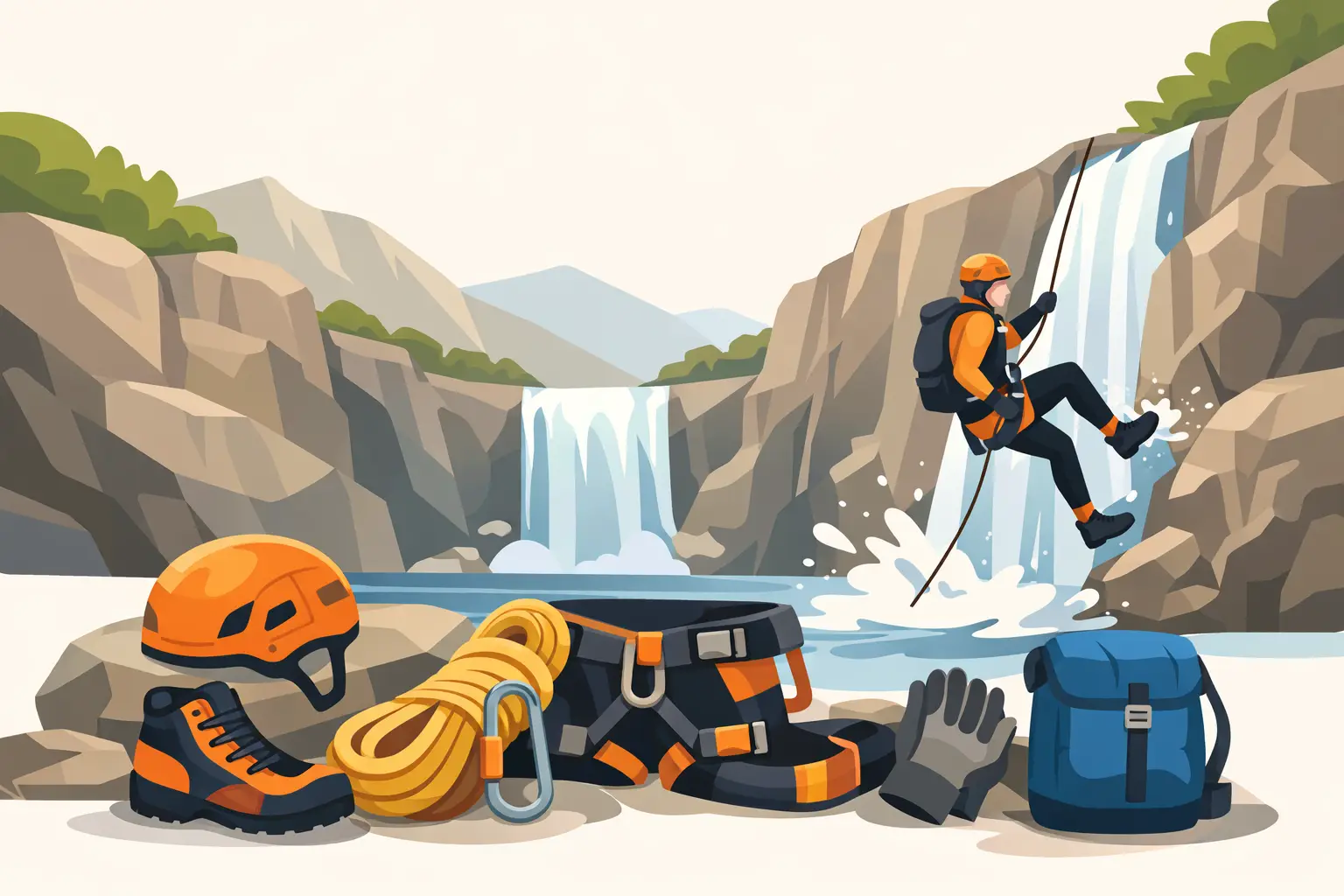
The first time you stand at the top of a waterfall, clipped into a rope with rainforest dropping away below your feet, you should be thinking about the view and the buzz – not whether you bought the right harness. A canyoning equipment included trip takes the biggest barrier out of the equation. You arrive ready for an epic day out, get trained by experienced guides, and head into the canyon with the specialist kit already sorted.
That matters because canyoning is not just a bush walk with a few wet feet. It is an active journey through pools, gorges, waterfalls and narrow passages. You may abseil beside rushing water, scramble over rocks, swim through clear pools and take on jumps where conditions allow. The right equipment keeps the focus where it belongs: on the challenge, your group and the breath-taking scenery around you.
What is included on a canyoning equipment included trip?
A guided canyoning day is built to make technical terrain accessible, even if you have never worn a harness or clipped into a rope before. AWOL Canyoning Adventures supplies the essential canyoning equipment and shows you how to use it before the action begins.
Your technical kit is selected for the conditions and fitted to you. This generally includes a wetsuit to keep you warmer in the water, a helmet for protection around rocky terrain, a harness for abseiling and specialist descent equipment used under guide supervision. The guides manage the ropes, anchors and safety systems, so you are not expected to arrive with rope skills or a garage full of outdoor gear.
That does not mean you are simply a passenger. You will learn the key techniques needed for the trip: how to wear and check your harness, how to move safely on uneven ground, how to position yourself for an abseil and how to follow calls from your guide. It is hands-on from the start, with clear coaching before each new section.
The exact equipment can vary with the trip, weather and canyon conditions. A full-day adventure involving major abseils may call for a different setup from a shorter introductory trip or a glowworm night experience. That flexibility is a strength of guided canyoning. The plan fits the real conditions, rather than forcing the day to follow a fixed script.
You bring the personal basics
Included gear covers the technical side of canyoning, but a little personal preparation makes the day far more comfortable. Wear or pack swimwear for under your wetsuit, then bring a towel and dry clothes for afterwards. You will also want to arrive with enough food and water for the day, unless your trip details state otherwise.
For footwear, follow the booking advice for your chosen adventure. Canyoning involves wet, slippery and uneven terrain, so footwear needs decent grip and must be secure on your feet. Do not turn up in jandals and expect them to survive a waterfall landing.
A practical day bag should contain:
- Swimwear and a towel
- A full change of warm, dry clothes
- Water and trail-friendly food
- Any personal medication you may need
Leave valuables behind where possible. Canyons are wet places by design, and a phone in a pocket is not much use after an unexpected swim. If you want photos, ask your guides what is appropriate for the conditions. The best shots are great, but getting everyone through the canyon safely comes first.
Why supplied equipment makes the day better
Buying canyoning gear before you have tried the sport is expensive and often confusing. Wetsuits come in different thicknesses, harnesses need correct fitting, and abseiling equipment is not something to select by colour or a quick online review. More importantly, technical gear needs regular inspection, appropriate care and experience to use properly.
On an equipment-included trip, that responsibility sits with the people who use the kit in canyon conditions every day. Your guides know the terrain, assess the weather, set up descents and explain the safest way through each feature. You still get the thrill of stepping backwards over the edge of an abseil, but you do it within an organised system.
It also makes canyoning a much easier choice for visitors and local groups. You may be staying in central Auckland without a car full of outdoor equipment. You may be organising a birthday, a stag or hen outing, a school activity or a work team day. Nobody needs to find a helmet, hire a wetsuit or pretend they know what a belay device does. Turn up ready to get stuck in, and let the guides deal with the technical setup.
Optional transport can make the logistics even simpler. Instead of coordinating cars and navigating to the edge of the Waitākere Ranges, your group can travel together and arrive ready for the briefing. It is a small detail that makes a big difference when the goal is a social, action-packed day rather than an admin exercise.
No experience does not mean no challenge
A common question is whether beginner-friendly canyoning is actually exciting. Absolutely. No prior experience is necessary because the instruction, equipment and route management are included, not because the canyon has been watered down.
The challenge comes in layers. Your first abseil might feel huge because it asks you to trust the rope and step over an edge. A jump into a deep pool can test your nerve even when the landing is straightforward. A narrow gorge or dark cave section can feel wonderfully wild. The guides break each challenge into manageable actions, giving confident people room to push themselves while helping nervous participants build momentum.
Fitness still matters, but it is not about being the fastest runner in the group. You need to be comfortable being active outdoors, walking on uneven ground, getting wet and listening carefully to instructions. Tell the team about injuries, medical considerations or worries before the trip. Honest information lets guides recommend the right adventure and support you properly on the day.
If you are choosing between a half-day and full-day experience, think about what you want from the outing. A shorter trip is a brilliant first taste for people short on time or unsure how they will feel about heights and cold water. A full-day canyoning adventure gives you more time in the rainforest, more technical features and a bigger sense of achievement. For groups with mixed confidence, the best option is usually the one that lets everyone participate enthusiastically rather than merely endure it.
The guide is part of the equipment package
The most valuable thing included is not the wetsuit or helmet. It is expert judgement. Rainforest canyons change with rainfall, water flow and seasonal conditions. A professional guide reads those changes, makes decisions early and keeps the group moving with purpose.
Guides also bring the stories that turn a high-adrenaline activity into a proper Piha rainforest experience. Between waterfalls and abseils, there is time to notice the bush, hear about the local landscape and appreciate just how close this wild terrain is to the city. That connection is part of the reward. You are not visiting an artificial obstacle course. You are travelling through a living environment and treating it with respect.
Follow gear-care and biosecurity instructions closely, particularly around clean footwear and equipment. Responsible access helps protect the forest for the next group, the next season and the people who call this place home.
Arrive ready to send it
An equipment-included canyoning trip removes the reasons people put adventure off: no gear knowledge, no technical background and no need to own specialist kit. What remains is the good part – the nerves before the first descent, the roar of water, the laughs when your mate commits to a jump and the feeling of earning your way through the canyon together.
Choose the trip that matches your group’s appetite for action, read the pre-trip notes, pack dry clothes and bring a willing attitude. The harness can be fitted on the day. The memory of that first waterfall abseil is the part you get to keep.