
How to Prepare for Canyoning Before You Go

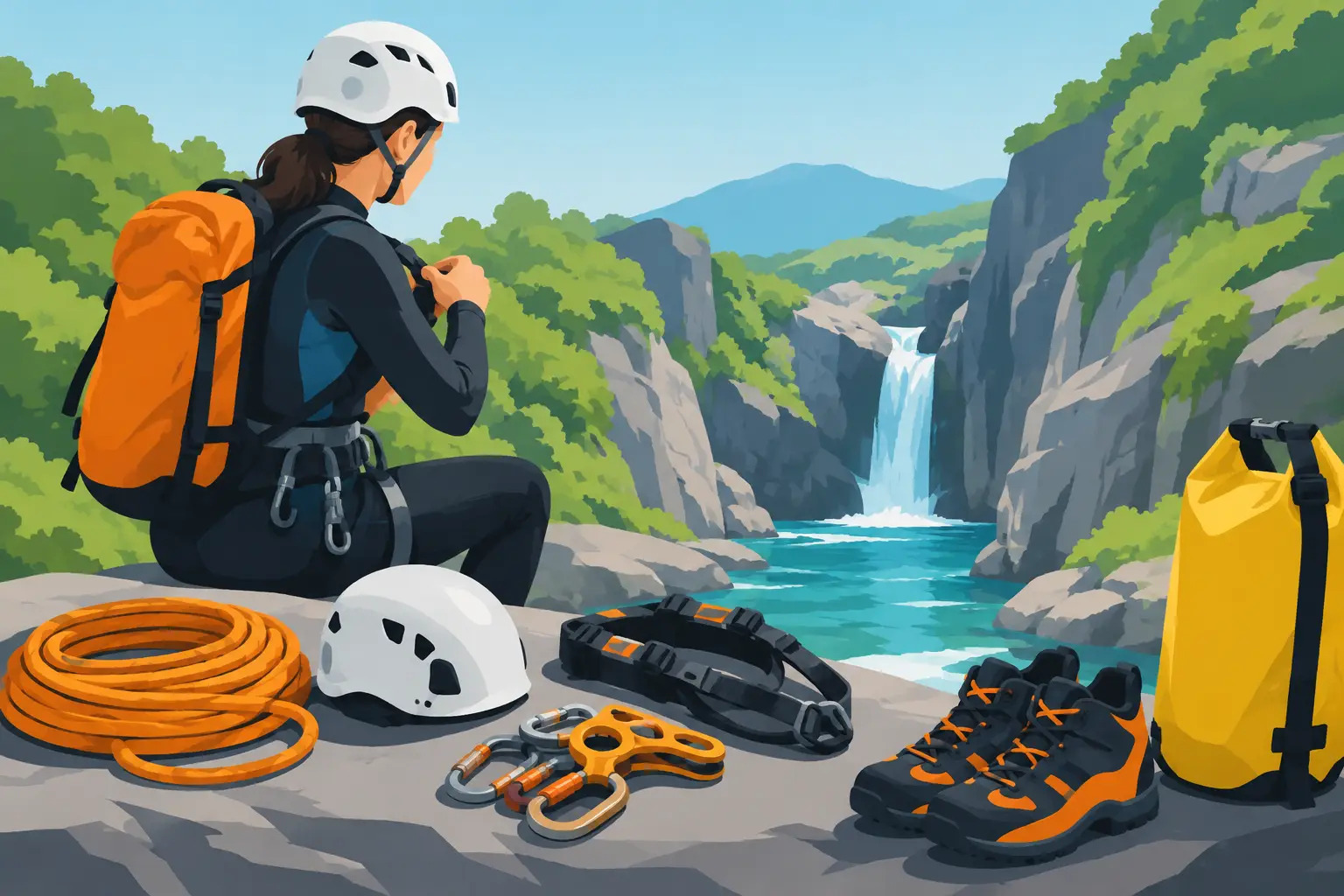
The first waterfall is rarely the bit that catches people out. It is arriving cold, hungry, wearing the wrong footwear or worrying that everyone else knows more than you. Knowing how to prepare for canyoning means you can put your energy where it belongs: scrambling through the bush, stepping into clear pools, abseiling beside waterfalls and having an awesome day with your crew.
For a guided canyoning trip, you do not need to own ropes, harnesses or technical kit. You do need to arrive ready to move, get wet, listen to your guides and give the adventure a proper go. A little preparation makes the whole experience more comfortable, safer and far more fun.
How to prepare for canyoning physically
Canyoning is an active day out, but you do not need to be an elite athlete or an experienced climber. On a guided trip, your instructors teach the techniques, fit the equipment and talk you through each challenge before you do it. No prior experience is necessary.
What helps most is everyday, usable fitness. Expect uneven ground, slippery rocks, short climbs, swimming or wading, scrambling and time spent standing in cool water. You may need to lower yourself over ledges, balance across boulders and control your descent on an abseil. The effort comes in bursts, with plenty of chances to regroup and enjoy the scenery.
If you are preparing a few weeks ahead, get out for brisk walks on hilly tracks, add some stairs, and include a little leg and core work. Squats, lunges, step-ups and planks are simple choices. You are not training for a race. You are preparing to feel steady on your feet and comfortable using your body all day.
Be honest about any injury, medical condition, poor swimming confidence or concern about heights when booking. That does not automatically rule you out. It helps the team recommend a trip that suits you and plan the right support. A half-day introduction can be a brilliant first move if you want the canyon experience without committing to a full day of big action.
Do you need to be able to swim?
You should be comfortable in water and able to follow instructions around pools and moving water. The exact swimming requirement depends on the trip, water levels and route. Buoyancy from a wetsuit helps, but it is not a substitute for confidence or sensible judgement.
If swimming is not your strongest skill, say so early. Guides can explain what the day involves and whether a particular trip is a good fit. Pretending you are fine is never the brave option. Good canyoning is built on clear communication.
Wear the right things, not your favourite things
Canyons are wet, rocky and muddy. Dress for that reality. Your guides will normally provide specialist essentials such as a wetsuit, helmet, harness and canyoning footwear or advise exactly what is included. Bring only what you need and assume anything you wear could get soaked, scuffed or stained.
Wear swimwear underneath your wetsuit. Choose something secure and comfortable when you are jumping, scrambling and adjusting a harness. Board shorts, bikini tops with loose ties and baggy cotton layers can become annoying fast. A simple swimsuit or fitted shorts and top are usually the easiest option.
Bring a towel and a full change of dry clothes for afterwards, including underwear. The post-canyon feeling of pulling on warm, dry layers is one of the great little rewards of the day. A warm jumper, dry socks and closed shoes for the journey home are worth having, even in a New Zealand summer.
Leave jewellery, watches and anything precious behind. Rings can snag, sunglasses can vanish in a pool, and mobile phones do not belong in a pocket unless they are in a properly waterproof case that you are prepared to risk. Your guides may take photos where conditions allow, so focus on the experience rather than trying to film every jump.
Eat and drink like you have a big day ahead
Start with a proper meal. Canyoning asks more of you than a casual stroll, and cold water can make you burn through energy faster than expected. Go for familiar food with carbohydrates and protein: porridge and yoghurt, eggs on toast, or a substantial sandwich if your start is later. Avoid turning up on an empty stomach after a rushed coffee.
Bring the food and water specified in your trip information. Full-day adventures usually call for a packed lunch and snacks that can cope with being carried in a dry bag. Choose food that is easy to eat with wet hands and does not turn into a squashed mess. Wraps, fruit, trail mix, energy bars and filled rolls tend to travel well.
Hydration still matters when you are surrounded by water. Drink before you start, carry what your guide recommends and keep sipping through the day. Save the celebratory drinks for after the canyon. Alcohol and technical outdoor activities are a poor combination, and a clear head makes every abseil more enjoyable.
Bring the right mindset for waterfalls, jumps and heights
Canyoning has moments that look huge in a photo: a waterfall roaring beside you, a narrow gorge ahead, a drop that asks you to lean back into the rope. Feeling nervous before a first abseil or jump is completely normal. Confidence is not about feeling nothing. It is about listening, breathing, using the technique you have been shown and taking one step at a time.
Your guides will not expect you to know the ropes on arrival. They will explain how to wear your equipment, where to put your feet, how to hold the rope and when to move. Pay attention during the briefing, ask questions before it is your turn and repeat instructions back if you are unsure. That is how a group moves well through a canyon.
There can be options at certain features, depending on the conditions and the route. A jump may have an alternative way down, while other obstacles are an integral part of the experience. Do not assume every challenge has the same choice available. The water level, weather and group ability all matter, which is why guides make calls on the day.
A useful rule is to avoid comparing your nerves with the loudest person in the group. Some people whoop at every ledge; others go quiet and focused. Both can have an epic day. Encourage your mates, but never pressure someone to move before they are ready.
Check the practical details before you leave
The night before, read your confirmation properly. Check the meeting time, pick-up point if transport is included, what food to bring and whether there are age, weight, health or fitness requirements for your chosen trip. Set two alarms if an early start is involved. Canyoning groups run to a schedule, and late arrivals can affect the whole team.
Weather can change the plan, especially in rainforest terrain. Rain is not automatically bad news. It can make waterfalls spectacular, and being wet is part of canyoning anyway. But heavy rain can alter water levels quickly, so professional guides monitor conditions and may adjust, postpone or cancel a trip when needed. Treat these decisions as the mark of a well-run adventure, not a missed opportunity.
If you are travelling from the city, sort your transport before the morning. Optional central Auckland transport can take one more logistical job off your list, particularly if you are visiting or organising a group. If you are driving, allow extra time. Coastal and bush roads are not the place to rush.
Respect the rainforest on the way in and out
The Waitākere Ranges are a special place, not an adventure playground without consequences. Follow all cleaning instructions for footwear and gear to help protect kauri from dieback. Stay with your group, take all rubbish out, and do not leave food scraps or wrappers behind.
This respect is part of the experience. A good canyoning day is not just about the big abseils and the grin at the bottom of a waterfall. It is also about moving through the bush carefully enough that the next group can feel the same sense of wildness.
Prepare your group, not just yourself
For birthdays, work teams, stag or hen groups and holidays with friends, the group dynamic can make the day. Choose a trip that matches the least experienced person rather than booking purely for the most fearless. A team that feels included will have more fun than one with half the group trying to keep up.
Tell everyone the practical basics well before departure: they will get wet, they need swimwear, they need food if required, and they should bring dry clothes for afterwards. This is especially useful for first-timers, who may assume canyoning means a scenic walk with a splash rather than a hands-on rainforest mission.
At AWOL Canyoning Adventures, the point is not to turn newcomers into rope technicians in a day. It is to give them the skills, gear and encouragement to experience serious adventure in a spectacular setting. Turn up prepared, back your mates, listen to the guides and save some energy for the stories on the way home.