
10 Canyoning Preparation Tips for Big Fun

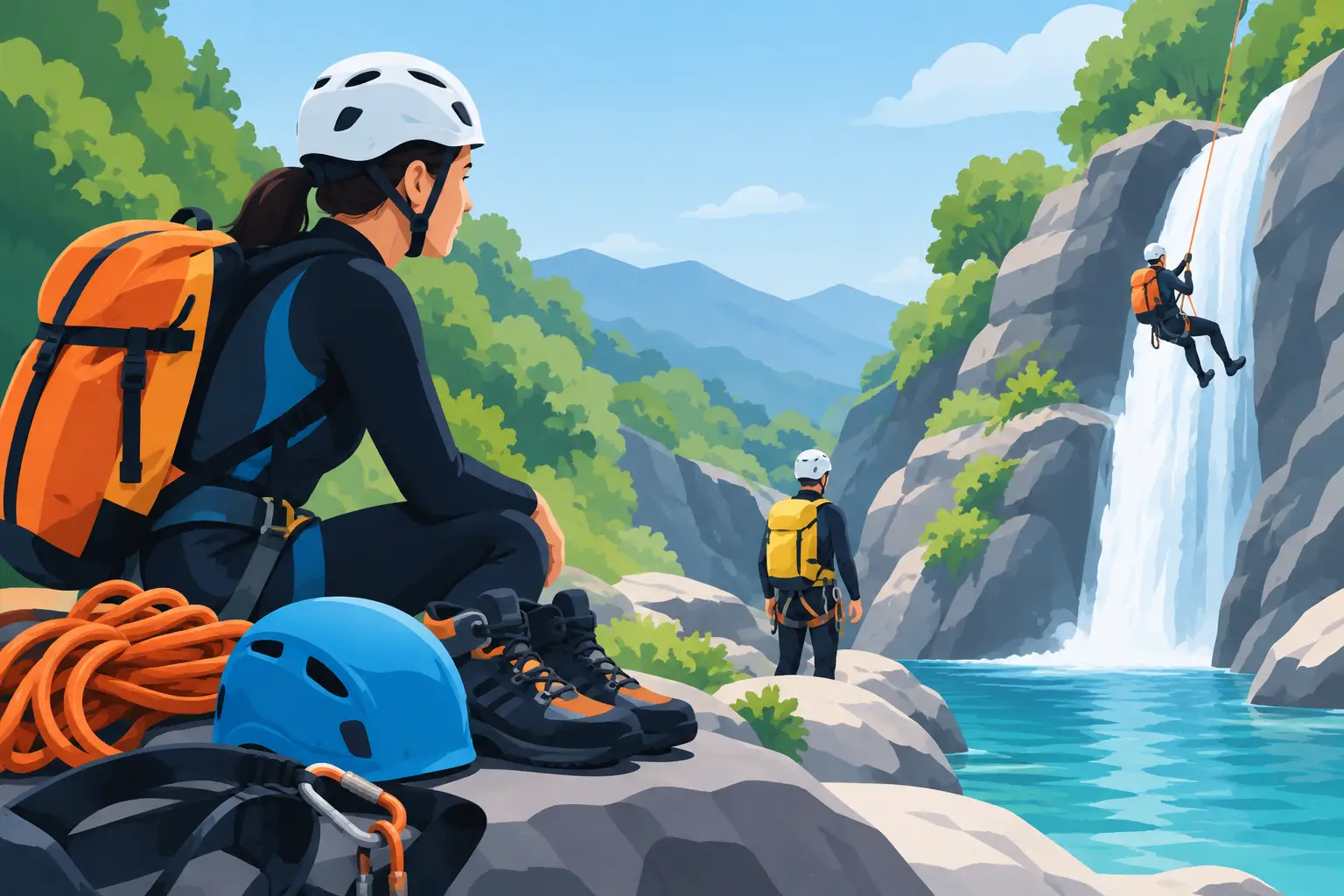
The first waterfall is not the moment to discover your lunch is still in the car, your shoes have no grip, or you have talked yourself out of the abseil. These canyoning preparation tips are about arriving ready to get wet, get moving and have an absolutely brilliant day in the bush.
Canyoning is hands-on adventure. You might walk through a rainforest stream, scramble over rocks, slide into pools, jump where the guide says it is safe to jump, and lower yourself beside a waterfall. That is exactly why it is memorable. A little preparation lets you spend less energy worrying about the unknown and more energy enjoying every splashy, high-fives-all-round moment.
Canyoning preparation tips before you leave home
1. Pick the trip that suits your group
Start with an honest chat about fitness, confidence in water and what everyone wants from the day. A half-day experience can be a cracking introduction if you are short on time or testing the waters. A full-day trip gives you more time in the canyon and can include bigger abseils, longer walks and more sustained action. Night canyoning brings a different kind of buzz, with glowworms and a rainforest that feels completely changed after dark.
No previous canyoning experience is needed on a guided trip, but a sense of adventure helps. You do not need to be the fastest person in your group. You do need to be willing to follow instructions, move over uneven ground and give things a proper go.
If you are booking for friends, a family group or a work crew, do not assume everyone has the same comfort zone. The best group days happen when the trip level matches the least experienced person without making the keen beans feel short-changed.
2. Tell your guide what they need to know
Be upfront when you book about injuries, medical conditions, pregnancy, medication, allergies or anything that may affect your participation. The same goes for a fear of heights, nerves around deep water or limited swimming confidence. It is not a test of toughness, and it is not information to save for the car park.
Your guides can give clearer advice when they know the full picture. In some cases, an activity may not be suitable. In others, a simple adjustment, extra reassurance or choosing a different trip makes all the difference. Good preparation means making that call early, not forcing a situation on the day.
3. Wear the right footwear
Your feet will be doing real work. Canyoning involves wet rocks, muddy tracks and uneven riverbed terrain, so sturdy closed-toe footwear with decent grip is essential. Old trainers that can get soaked are often a good choice if they fit securely. Do not turn up in jandals, sandals, slides or bare feet.
A shoe does not need to look fancy, but it needs to stay on your foot and protect it. Avoid brand-new shoes if possible. A well-worn pair is less likely to rub once wet, especially on a longer trip.
4. Pack for the journey, not the canyon
Guided canyoning is brilliantly simple because key technical equipment is supplied and you are shown how to use it. Depending on the trip, that can include a wetsuit, helmet, harness and the gear needed for abseiling. Your job is to bring the personal basics and follow the trip information you receive.
For most trips, pack swimwear to wear under your wetsuit, a towel and dry clothes for afterwards. Add any essential medication, prescription glasses secured with a strap if you need them, and a water bottle for before and after the activity. On a full-day experience, bring the food requested in your booking information, with something satisfying enough to keep you going.
Leave valuables behind where you can. Phones, watches and car keys do not enjoy canyon pools, even when you are determined to grab the perfect action shot. If you bring a camera, it should be properly waterproof, attached securely and used only when your guide says it will not get in the way.
5. Eat and hydrate like you mean it
Canyoning burns energy. Have a normal, balanced meal before you arrive rather than trying to run on coffee and optimism. Porridge, eggs, toast, fruit or a proper sandwich are all better options than starting the day empty and hoping adrenaline will carry you through.
Drink water in the lead-up too. You will be in and around water, but that does not mean you cannot become dehydrated while walking, scrambling and concentrating. Avoid a big night of alcohol before your trip. A hangover and wet rocks are a poor combination, and nobody wants to be the person who feels rough before the first waterfall.
6. Expect a safety briefing – and pay attention
The briefing is where adventure gets organised. Your guide will explain how the equipment works, demonstrate body position for an abseil, cover movement in the canyon and explain signals you may need to use around moving water. Listen closely, ask questions and practise when invited.
You are not expected to know the jargon before you arrive. That is what guided instruction is for. But once you are in the canyon, the group relies on everyone following the same process. A calm, clear briefing means there is more room for the good stuff: the rush of a waterfall, the buzz after a jump and the view when you look up through the native bush.
7. Take the weather seriously, without stressing about it
Rainforest canyoning is a wet activity, so a bit of rain is not automatically bad news. In fact, rain can make the forest feel louder, greener and wildly atmospheric. Heavy rain, changing river conditions or severe weather are different matters, and guides will make decisions based on conditions and safety.
Check your messages before setting off and keep your plans flexible. If a trip needs to be adjusted or rescheduled, that is not a ruined adventure. It is professional risk management doing its job. Conditions are part of canyoning, not an inconvenience to be ignored.
8. Prepare your head for the first big moment
Most people feel a flicker of nerves before their first abseil, jump or dark cave section. That is normal. You do not have to pretend you are fearless, and you definitely do not need to pressure a mate into acting fearless either.
Tell your guide what is making you hesitate. They can break the movement into manageable steps, check your setup again and talk you through the next move. Focus on the instruction directly in front of you rather than imagining the whole challenge at once. One careful step, one breath, one descent at a time.
The goal is not to prove anything. It is to do something that feels huge, safely and with a grin that arrives halfway down.
9. Be a good canyon teammate
Canyoning is a shared adventure, not a race. Keep the group moving by being ready when it is your turn, helping with simple tasks when asked and giving the person ahead of you room to finish their move. Celebrate the nervous first-timer, even if they have taken longer than you would.
Save the big jokes for the right moments. Guides need to communicate clearly near drops, water and ropes, so silence means silence when they are giving instructions. The best banter comes after everyone is safely through and someone has just realised they have done something they did not think they could do.
10. Respect the rainforest on the way in and out
The Waitākere Ranges are not an adventure playground without consequences. They are a living forest, home to native plants, birds and waterways that need careful treatment. Stay on the tracks and routes your guide uses, take all rubbish with you and clean footwear as required to help prevent the spread of kauri dieback.
This care does not take away from the wild feeling of the day. It protects the places that make canyoning near Auckland so special: steep green walls, cool clear pools, powerful falls and the sound of the bush closing in around you.
What preparation cannot replace
Fitness helps, good footwear helps and a decent breakfast helps. None of them replace professional guidance, appropriate equipment and sound judgement in changing conditions. That is why a guided experience matters, particularly if this is your first time in a canyon.
AWOL Canyoning Adventures supplies the know-how alongside the thrill, so you can learn the basics in a supportive group and then get on with the fun. Turn up ready to listen, ready to get wet and ready to surprise yourself. The canyon will handle the rest.