
Are Canyon Jumps Optional? What to Expect

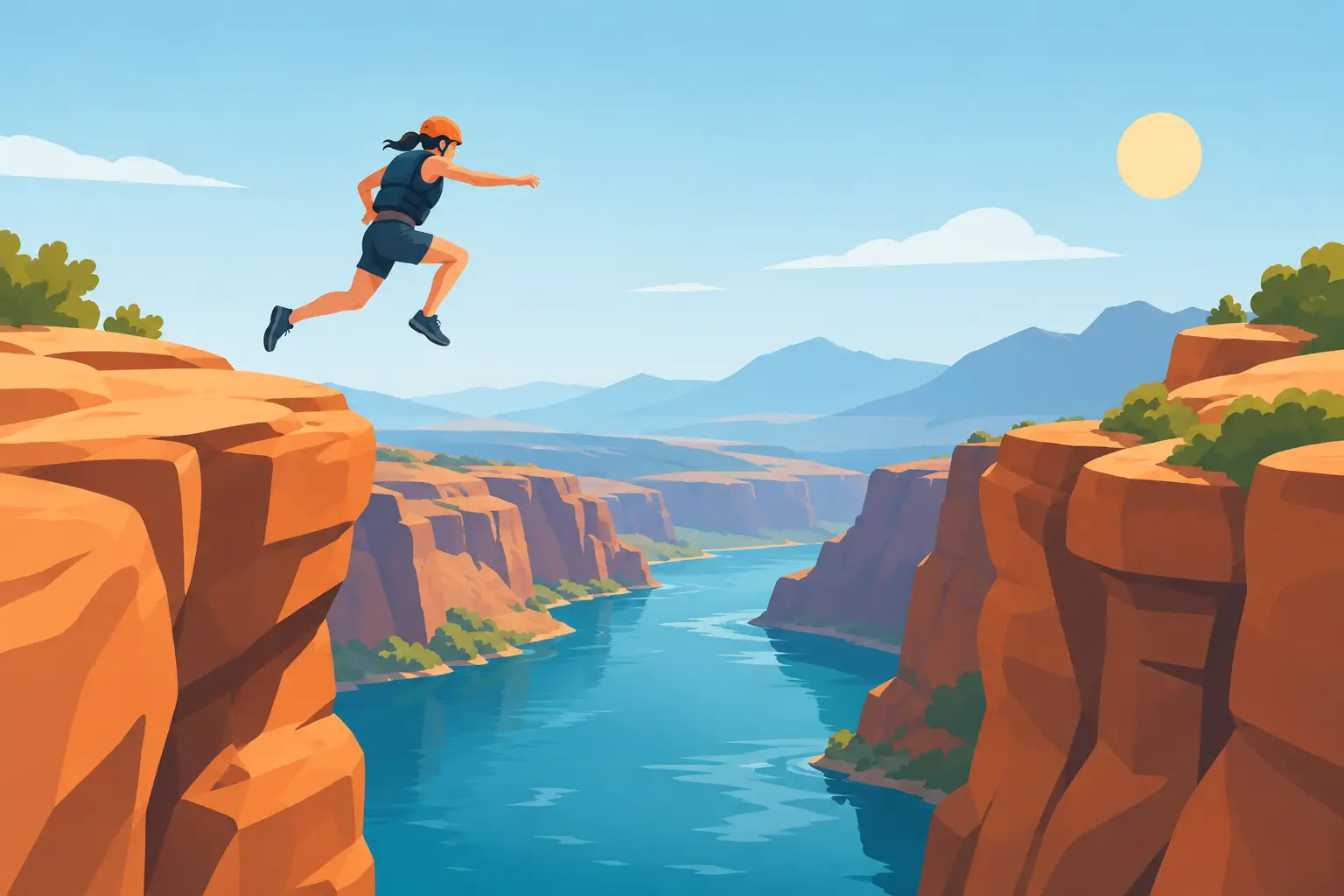
The first time you stand above a clear rainforest pool, with water rushing through the gorge and your mates cheering from below, the question arrives quickly: are canyon jumps optional? For most people, it is not about wanting less adventure. It is about knowing there is a smart way forward if your head says ‘not today’.
That is exactly what guided canyoning is for. You do not need to arrive fearless, experienced or able to fling yourself off every ledge. You need to be ready to get wet, listen carefully, give things a proper go and work with your guide. The buzz comes from tackling a wild environment as a team, not from being pushed into a leap you are not comfortable making.
Are canyon jumps optional on a guided trip?
In many guided canyoning situations, yes: jumps can be optional. A jump is not a test of bravado, and it should never be treated as one. Your guide will explain the landing area, the water depth, the position to use and the route ahead before anyone moves.
If a jump is not for you, there may be another way through, such as being lowered, taking an abseil, using a downclimb or following a bypass. The right option depends on the specific obstacle, the canyon route and the conditions on the day. Not every waterfall or pool has every alternative available, so it is best to tell your guide early rather than waiting until you are standing at the edge.
That is not a problem or an embarrassment. Guides work with people who are buzzing to jump, people who need a moment to think, and people who would rather use the rope every time. All three can have an awesome day in the canyon.
Conditions decide what is possible
Canyons are living places, not fixed obstacle courses. Rainfall can alter water flow, pool depth and access routes. A ledge that is suitable for a jump one day may be better managed another way after changing conditions.
Your guide makes those calls using their local knowledge, site checks and the group’s ability. Sometimes that means a jump gets added to the excitement. Sometimes it means everyone takes the rope route instead. Good canyoning is about making sound decisions in real terrain, not following a script at any cost.
What a canyon jump actually feels like
A canyon jump is usually much shorter than it looks from above. The water is loud, the walls make the space feel dramatic, and waiting your turn can make a manageable leap seem enormous. Once you have seen the guide demonstrate the technique and watched a few people land safely, the picture often changes.
The usual approach is simple: listen to the briefing, check the landing zone, step from the right place, keep the position your guide has shown you, then swim clear. There is no running start and no need for a wild leap. Controlled is the goal.
The mental side is often the bigger challenge. Your body may be capable, but your brain is reacting to height, cold water and the fact that this is not your local swimming pool. Taking a breath, naming what is worrying you and asking for another explanation can make a huge difference.
Confidence is built one obstacle at a time
Most first-time canyoners do not begin the day with the biggest feature. You learn the basics as you go: how to move on wet rock, how to communicate in noisy water, how to use the gear and how to trust the system. Smaller challenges help you understand what your body can do before the more dramatic moments arrive.
That progression matters. The person who was uncertain about a small slide early in the day may decide they are ready for a jump later on. Equally, someone who expected to jump everything may find the first one is enough. Both are completely valid.
At AWOL Canyoning Adventures, the aim is to make demanding rainforest terrain accessible without making it feel tame. The guides provide the equipment, training and direction, but you still get the real deal: waterfalls, narrow gorges, rock, dark caves and the proper rush of moving through a place that most visitors never see.
Tell your guide before you reach the ledge
The most useful thing you can do is be honest at the start of the trip. If heights make you nervous, if you cannot swim confidently, if you have an old injury, or if you already know jumps are not your thing, say so during the briefing. It helps your guide plan how to support you and explain the alternatives clearly.
You do not need a dramatic reason. ‘I am keen to try canyoning, but I do not want to jump’ is enough. Canyoning guides would far rather have that conversation on dry ground than discover a surprise at a busy obstacle.
Being upfront also protects the group experience. Your mates can cheer you on without pressuring you, and the guide can keep everyone moving safely through the canyon. Adventure works better when people look after one another.
Do not let group pressure make the decision
A stag group, a birthday crew or a group of workmates can bring brilliant energy to a canyon day. It can also make it tempting to do something purely because everyone is watching. That is not the reason to jump.
Choose a jump because you understand the instructions, you feel physically able and you genuinely want the experience. If you choose an alternative, you have not missed the adventure. You are still in the gorge, still getting soaked, still taking on the terrain and still collecting the story you will be talking about on the journey home.
Choosing the right canyoning trip
Trip choice can affect how much exposure, water and technical movement you encounter. A shorter introductory outing can be a great fit if you are new to canyoning or want a first taste of abseiling and waterfall travel. A full-day adventure brings more time in the rainforest and more of the big, memorable features that make canyoning special.
Neither is automatically better. Think about your confidence around water, your general fitness, how you feel about heights and what kind of day you want. A full day can suit a first-timer who is active and up for a challenge, while a half-day option may be the smarter call for someone testing their comfort zone.
If your group includes different confidence levels, do not assume the least experienced person should stay behind. Guided trips are built around instruction and teamwork. Ask about the expected activity level and let the booking team know if anyone has particular concerns. The better the fit, the more fun everyone has.
What to focus on instead of the jump
It is easy to fixate on one obstacle before you have even pulled on a wetsuit. But canyoning is a whole chain of moments: clipping into a rope, stepping backwards over a waterfall, squeezing through a gorge, floating beneath the bush canopy and laughing when someone discovers just how refreshing the water is.
A jump may become your favourite part of the day. Or it may be the abseil, the cave, the glow of wet rock or the quiet patch of native forest between the action. There is no correct highlight reel.
Bring a willing attitude, follow the instructions and make choices you can feel good about afterwards. If you jump, make it your jump. If you take the alternative, own that too. The canyon will still deliver the rush.