
Piha Visitor Adventure Guide for Big Days Out

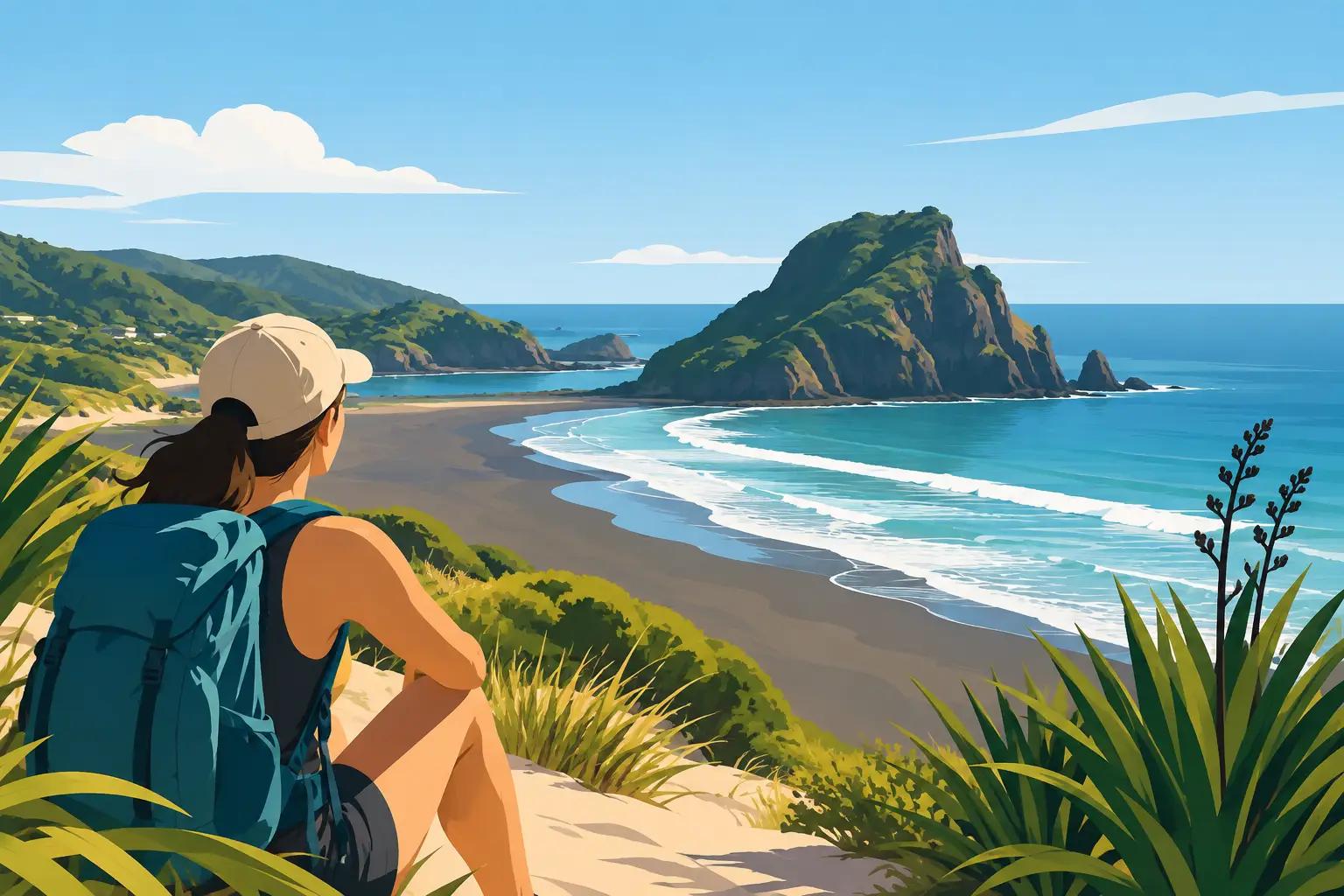
Piha is not the place for a rushed stop, a quick photo and a retreat back to the city. It is black sand underfoot, surf pounding beneath steep cliffs and rainforest that gets wilder the further you go. Use this Piha visitor adventure guide to build a day around the coast, the bush and one seriously memorable challenge.
Just 40 minutes from Auckland, Piha makes a big impression fast. But the best days here are not about ticking off every viewpoint. Pick a pace that suits your crew, respect the conditions and leave room for an experience that gets you properly into the landscape.
Start with the beach, but read the conditions
Piha Beach is dramatic in every season. Lion Rock divides the shoreline, dark volcanic sand heats up quickly in sunshine, and the Tasman Sea delivers the kind of surf that deserves your full attention. This is a working surf beach, not a calm swimming bay.
If you plan to enter the water, swim only between the flags when lifeguards are operating and follow their direction. Rips can be powerful and conditions can change quickly. If the sea looks energetic, enjoy it from the sand instead. A beach walk, a photo stop at Lion Rock and a coffee or snack nearby still make a strong start to the day.
Early morning is ideal if you want quieter sand and softer light. Later in the day, allow extra time for the drive back over the ranges, especially during summer weekends and public holidays.
Choose one adventure that earns the day
Piha rewards people who do more than look. The question is how much adventure you want, how much time you have and whether everyone in your group is up for the same thing.
For a slower bush-and-coast day
A short walk is the right call when you have young children, mixed energy levels or want plenty of beach time. The rainforest is close to the road, but it feels a long way from town once the trees close in. Wear shoes with grip rather than relying on jandals. Tracks can be muddy after rain, and tree roots and rocks are slippery even on an otherwise fine day.
Keep plans flexible. Heavy rain can affect track access, while wind and swell can make the coast feel more exposed than you expected. A good Piha day is about responding to what the place is doing, not forcing an itinerary.
For the full send: guided canyoning
If your group wants the story you will still be telling on the flight home, take on canyoning in the Piha rainforest. This is where the bush stops being a backdrop and becomes the route: abseils beside waterfalls, narrow gorges, natural rock pools, jumps, caves and pure, high-energy fun.
A guided trip is a smart choice for first-timers because the technical barriers are handled properly. You do not need to own ropes, wetsuits or canyoning gear, and you do not need previous experience. Professional guides supply the essential equipment, teach you the skills before you need them and set the pace for the group.
The trade-off is straightforward. Canyoning is not a dry stroll with scenic pauses. You will get wet, move over uneven ground and use your head as well as your legs. That is exactly why it feels so good. You finish with the rare satisfaction of having done something real in an incredible place.
AWOL Canyoning Adventures runs guided Piha experiences for newcomers and confident adventurers alike, with options ranging from a shorter introduction to a full day of major abseils and waterfalls. It is a brilliant fit for mates, couples, family groups with older teens, solo travellers and anyone who wants a proper dose of adventure without needing technical know-how.
For a different kind of wild: night canyoning
After dark, the rainforest changes character. Your headtorch picks out wet rock and tree ferns, the sound of water gets louder and glowworms add their quiet sparkle to the canyon walls. Night canyoning is less about chasing a postcard view and more about stepping into a world most visitors never see.
It suits people who are comfortable with a little uncertainty and excited by the atmosphere of the bush after sunset. Guides provide the briefing, equipment and structure. You bring a willingness to get wet, listen closely and have a laugh when the canyon throws something unexpected at you.
Build a Piha itinerary that does not feel crammed
For a half-day adventure, keep the rest simple. Start with a beach walk, join your canyoning trip, then give yourself time afterwards for food, dry clothes and a relaxed look at the coast. Do not book a tightly timed dinner back in the city. Rainforest days have a better rhythm when you allow breathing space.
For a full-day canyoning trip, make that the main event. Eat a decent breakfast, arrive ready to move and save Lion Rock and the beach for afterwards if you still have energy. The post-canyon feeling of standing on black sand, tired and buzzing, is hard to beat.
If you have a full weekend around Auckland, give Piha one dedicated day rather than trying to bundle it into a giant west-coast dash. The road is winding, parking can be busy and the weather can change the mood of the place in an hour. Less rushing means more time to notice the details: the scent of damp earth, the birds in the canopy and the force of the surf rolling in.
What to pack for a comfortable day
Conditions at Piha can turn from warm and bright to cool and wet quickly, particularly in the bush. Bring a water bottle, sunscreen, a warm layer and a waterproof jacket. For beach time, pack a towel and dry clothes. For a guided canyoning trip, follow the booking instructions closely, as specialist safety gear is supplied but you will usually need suitable footwear and personal items for before and after.
Leave valuables behind where possible. Mobile phones and cameras are not much use if they cannot get wet, and you will enjoy the experience more when you are not worrying about them. If photos matter, ask your operator what is practical for the trip rather than assuming you can carry everything yourself.
Food matters too. A proper breakfast goes a long way before an active morning, and a snack for afterwards is never a bad idea. Canyoning uses more energy than many first-time visitors expect, especially when the water is cool.
Respect the rainforest that makes Piha special
Piha sits beside a remarkable rainforest environment, and access depends on visitors looking after it. Stay on open tracks, clean footwear and gear when asked, and follow all signs relating to kauri dieback protection. These small actions help protect the forest for the people who come after you.
Take rubbish with you, keep wildlife wild and do not treat every pool or waterfall as an unregulated swimming spot. Local conditions, land access and safety advice exist for good reasons. A guided canyoning trip offers a powerful way into this terrain while keeping access organised and environmentally responsible.
Make the call that suits your group
The best Piha plan depends on who is coming. If one person wants huge abseils while another wants a gentle walk, split the day rather than dragging everyone into the wrong activity. A shorter guided trip can be the sweet spot for nervous first-timers, while a full day is made for people ready to earn their dinner.
You do not need to be an elite athlete to have an awesome time, but be honest about your mobility, confidence in water and appetite for physical activity when choosing. Tell your guides about injuries, medical concerns or worries before you arrive. Good adventure starts with clear information, not bravado.
Piha will give you plenty to look at from the roadside. Get into the rainforest, however, and it gives you a day worth taking home with you.