
When Is Canyoning Season for Auckland Adventures?

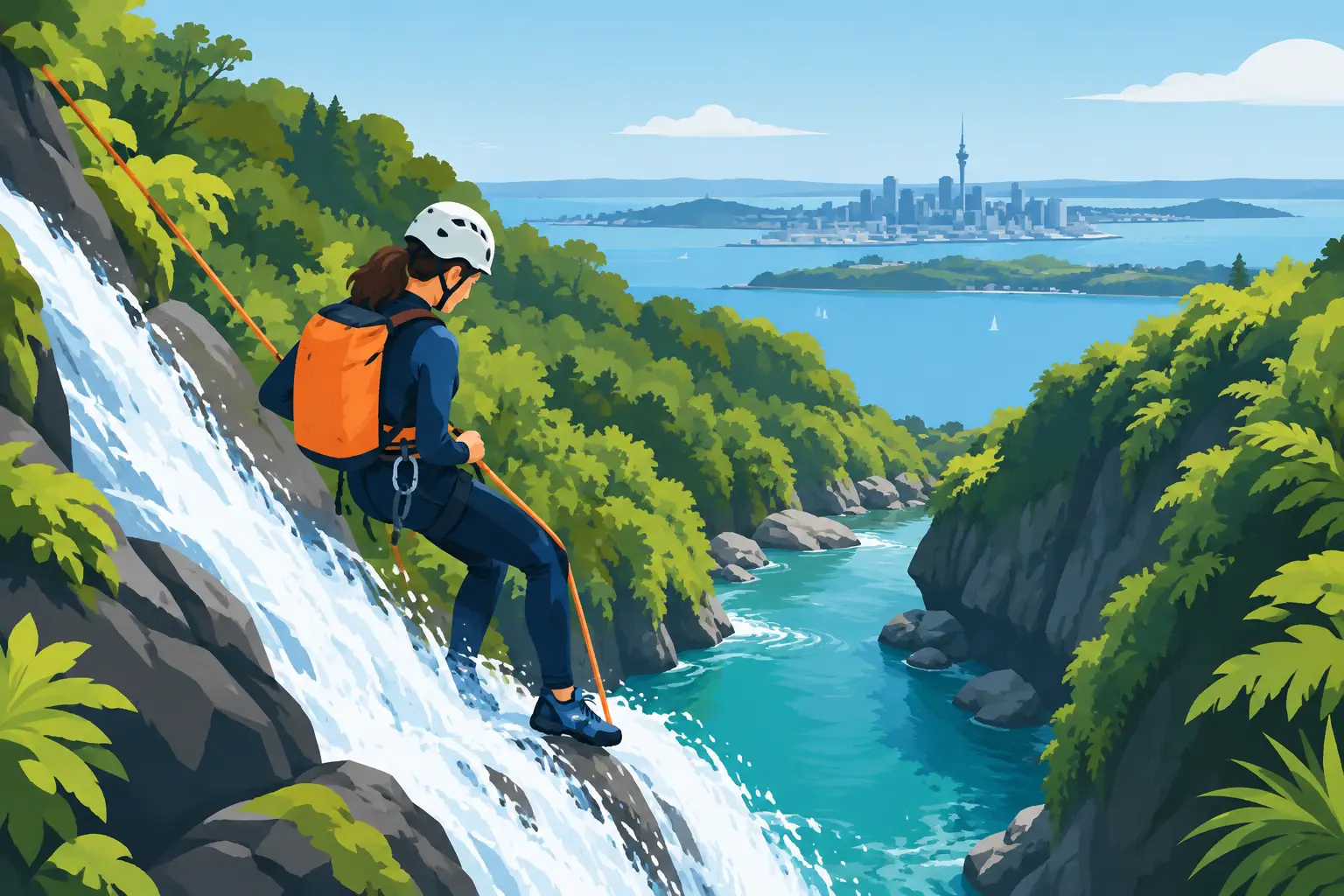
The short answer to when is canyoning season is more exciting than a single date on the calendar: in Auckland, canyoning can run year-round. Every season brings a different version of the rainforest – warm-water summer missions, thundering winter waterfalls, crisp autumn days and spring-fed gorges bursting back into life.
The better question is what you want from the day. Are you chasing big waterfall energy, a warm-weather adventure with your mates, a memorable activity during a city break, or a first taste of abseiling in proper rainforest terrain? With expert guides, the right gear and a little willingness to get wet, there is a canyoning adventure for most seasons.
When is canyoning season in Auckland?
There is no traditional closed canyoning season around Auckland in the way there is for some alpine activities. The subtropical rainforest around Piha stays green, wet and full of character through the year. Guided trips are planned around conditions, including rainfall, water levels and forecasts, rather than simply the month.
That said, summer through early autumn is often the easiest answer for first-timers. The air is warmer, daylight lasts longer and the thought of plunging into a pool beneath a waterfall tends to need less mental preparation. It is prime time for holiday groups, visitors and locals looking to swap the beach towel for an abseil rope.
Summer is the busiest period, particularly over school holidays, long weekends and the Christmas-New Year break. If canyoning is a must-do part of your visit, organise your booking early. Morning starts can be a smart move too, leaving the afternoon free for Piha, a bush walk or a well-earned feed.
Summer does involve a trade-off. Dry spells can mean lower water flows, so waterfalls may be less powerful than after seasonal rain. The terrain is still spectacular, and jumps, slides, caves and abseils still deliver the goods, but people seeking maximum waterfall drama may prefer the wetter months.
Autumn: arguably the sweet spot
March to May often offers the best balance for a full-day canyoning experience. The summer crowds start to thin, the water has retained some warmth and the bush is still alive with colour, birdsong and flowing water. Days can be settled and sunny, while autumn rain keeps the canyon feeling like a canyon.
For visitors from Britain, autumn in Auckland can be a pleasant surprise. It is not the quick slide into cold, dark weather you may expect at home. You will need to be ready for changeable conditions in the ranges, but a guided canyoning day can be an excellent addition to an autumn holiday.
It is also a cracking time for birthdays, friend-group missions and team events. The pace feels less frantic than peak summer, yet the adventure remains full power: descending waterfalls, moving through narrow rock corridors and coming out muddy, smiling and ready to compare your best action shots.
Winter: bigger water, bigger atmosphere
June to August is for adventurers who do not need blazing sunshine to have an awesome time. Auckland winters are generally mild compared with much of the UK, but rainforest canyoning is undeniably cooler. The upside is atmosphere. Waterfalls can be lively, the forest feels ancient and moody, and a wet-weather forecast can add real theatre to the experience.
Canyoning in winter is not about turning up in a hoodie and hoping for the best. Good equipment matters. Guided trips provide the specialist gear designed for the activity, along with instruction on how to move, abseil and communicate in the canyon. You bring the willingness to get amongst it; the guides help make it manageable.
Winter is often ideal for confident beginners, active couples and groups who want a story beyond the standard sightseeing circuit. It can also suit corporate groups keen to build shared momentum. There is something very satisfying about facing a cool waterfall together, backing your team and finding that the challenge is far more fun than expected.
If you feel the cold easily, choose a trip that suits your confidence and speak up when booking. A good adventure should stretch you, not leave you distracted by shivering.
Spring: fresh flows and rainforest at full volume
September to November brings longer days, new growth and plenty of life in the bush. Spring can offer excellent water levels after winter rain, while temperatures begin climbing towards summer. It is a strong option for anyone who wants more flowing water without the coolest winter conditions.
The only catch is that spring weather can be changeable. One day may feel like summer, the next may bring wind and rain. Pack with an open mind and let the guide team make the call based on the canyon itself. Flexibility is part of outdoor adventure, and it is worth it when you are standing beneath a waterfall just 40 minutes from central Auckland.
Spring is also a good season for first-time canyoners who want to beat the summer rush. There is room for the full experience: learning rope skills, negotiating natural obstacles, jumping if you are comfortable and soaking up the sort of scenery that makes people forget they are so close to the city.
What rain means for canyoning
Rain is not automatically bad news. Canyons need water, and a light or recent rainfall can make waterfalls and pools look fantastic. But water volume, catchment conditions and the forecast matter far more than whether you see a few drops on the morning of your trip.
This is where going with professional guides makes a real difference. They understand the terrain, monitor conditions and know when a route is suitable. If conditions are not right, the sensible decision is made before you are committed in a gorge. Nobody gets bonus points for ignoring a weather warning.
Do not judge your canyoning day by the forecast icon alone. A grey day in the rainforest can be magic, while a hot, dry day delivers a completely different kind of fun. Turn up ready for the conditions, listen closely during the briefing and trust the process.
Choosing the right trip for the season
Your ideal canyoning season also depends on the trip you choose. A shorter introductory experience is a strong option if you are new to abseiling, travelling with family members or fitting adventure around a busy Auckland itinerary. Full-day canyoning suits people who want more time in the gorge, more features and a proper physical challenge.
Night canyoning creates its own season-proof magic. Moving through the bush after dark, surrounded by glowworms and the sounds of the forest, is less about summer sunshine and more about stepping into a different world. It works particularly well for locals looking for a fresh way to experience the Waitākere Ranges, or visitors who want one huge memory from a short stay.
There is no need to own ropes, wetsuits or technical outdoor kit before your first trip. The point of a guided experience is that you receive the equipment, training and support to take on terrain that would otherwise be out of reach. You do need reasonable fitness, footwear suited to the day and a readiness to scramble, swim and get wet.
A few smart ways to time your adventure
If warmth is your top priority, aim for December through March. If you want fewer crowds and a strong all-round mix of weather and water, autumn is hard to beat. If powerful rainforest atmosphere is your thing, winter and spring can be outstanding – as long as you are happy to embrace cooler conditions.
For any time of year, leave some flexibility in your Auckland plans if possible. Weather is part of the deal in a living rainforest, and the best canyoning days are built around safe, suitable conditions rather than rigid expectations. Respect the bush too: follow cleaning and biosecurity instructions carefully to help protect the forest for the next crew.
Whenever you go, canyoning rewards people who choose experience over perfect weather. Pick the season that matches your appetite, bring your mates or meet new ones on the day, and let the rainforest do the rest.